How Black Math learned to start with art – and why curiosity, not speed, is the point
Co-founder Jeremy Sahlman on building a studio from a chance meeting on a Boston street, chasing ideas nobody asked for, and why taste is the one thing the new tools can't fake.
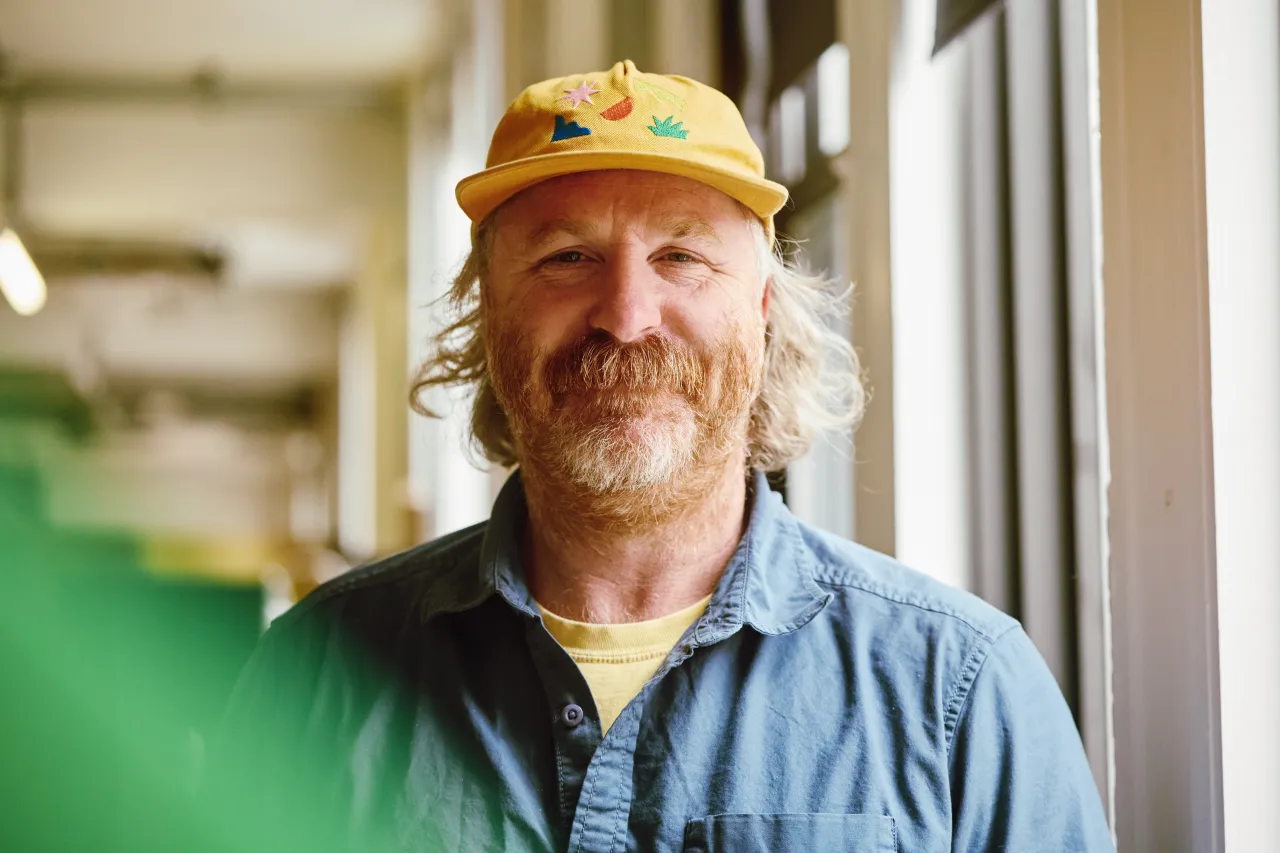
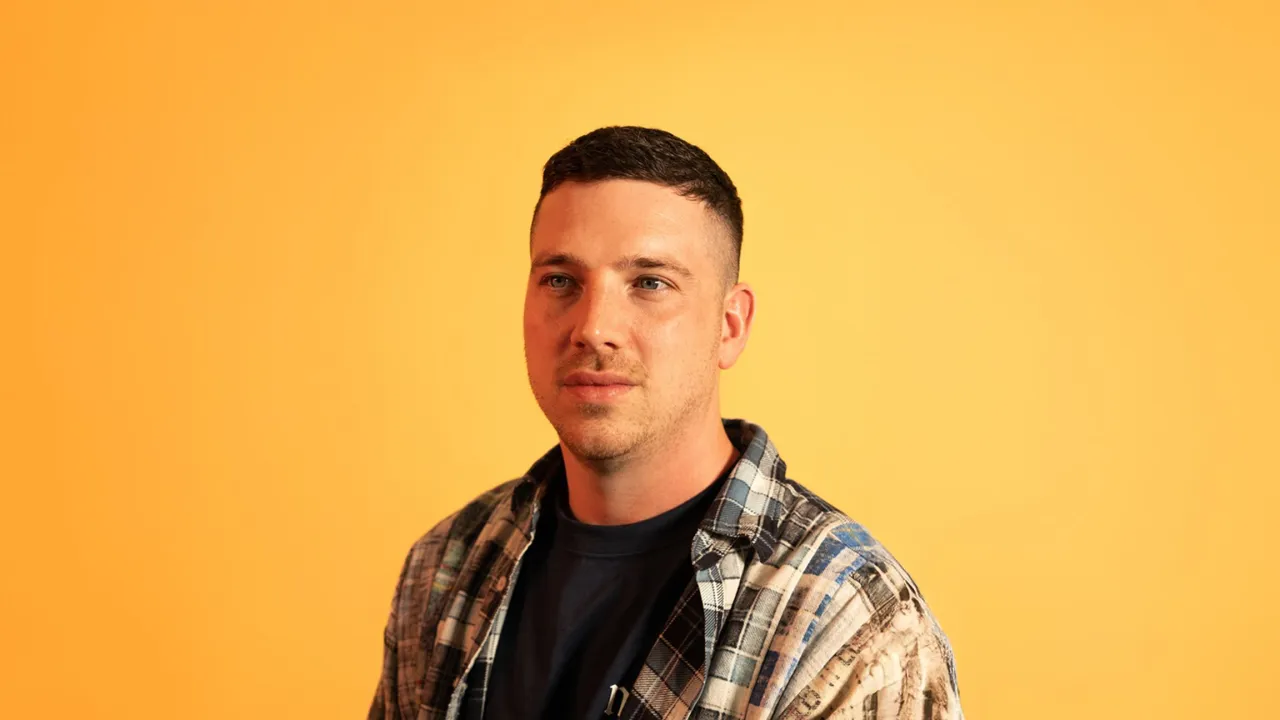
Co-founder Jeremy Sahlman
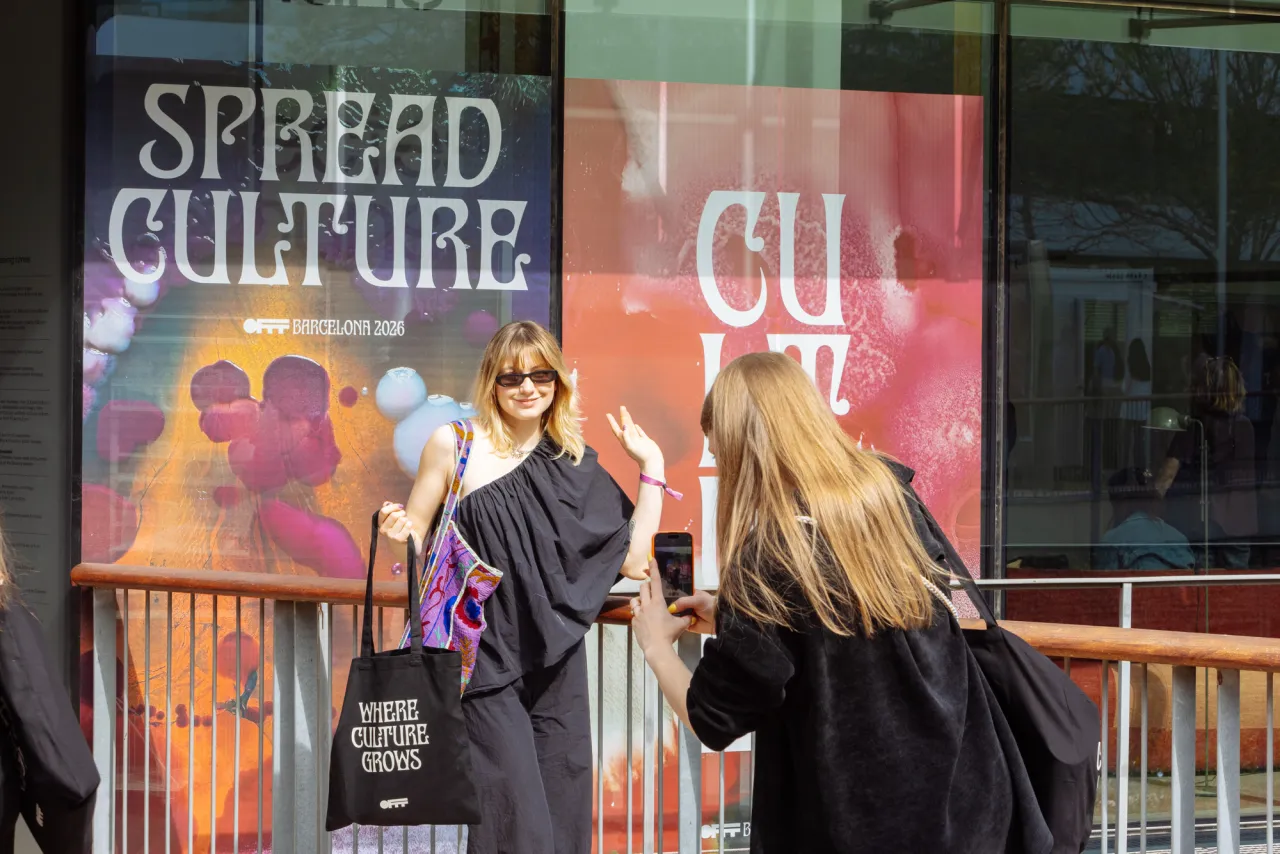
I didn't meet Black Math in a boardroom. I met two of their team – Travis Tyler and Louis Jannetty, both genuinely gorgeous humans – over a beer at OFFF Barcelona, after another brilliant festival, sharing jokes and banter, talking about everything from football and AI to the small absurdities of cultural differences. It told me everything I needed to know about the studio before I'd seen a single project: warm, curious, up for a laugh, and far more interested in people than in posturing. So when I sat down with co-founder Jeremy Sahlman, I already had a hunch the studio's story would be a good one.
It began without a plan. Jeremy had left Los Angeles to live in the woods well before remote work was common, so he found himself travelling back and forth to Boston, meeting people and trying to work out what came next. On one of those trips, he met Evan Fellers on the street. For the month that followed, Evan sent him an unbroken stream of videos – about his life, his ideas, the work he was making – until, almost inevitably, the two started collaborating.
"He had built something interesting, I had built something of my own," Jeremy says, "and over time we realised we were trying to create the same kind of future." Eventually, they each closed down what they had and built something together. That became Black Math.
Although if there's one thing he likes to add, it's that the story was never really about two founders. "To me, a studio is an amalgamation of everyone's point of view," he says. "The good ones get reflected in the persona of the whole company. That's the part I care about most."
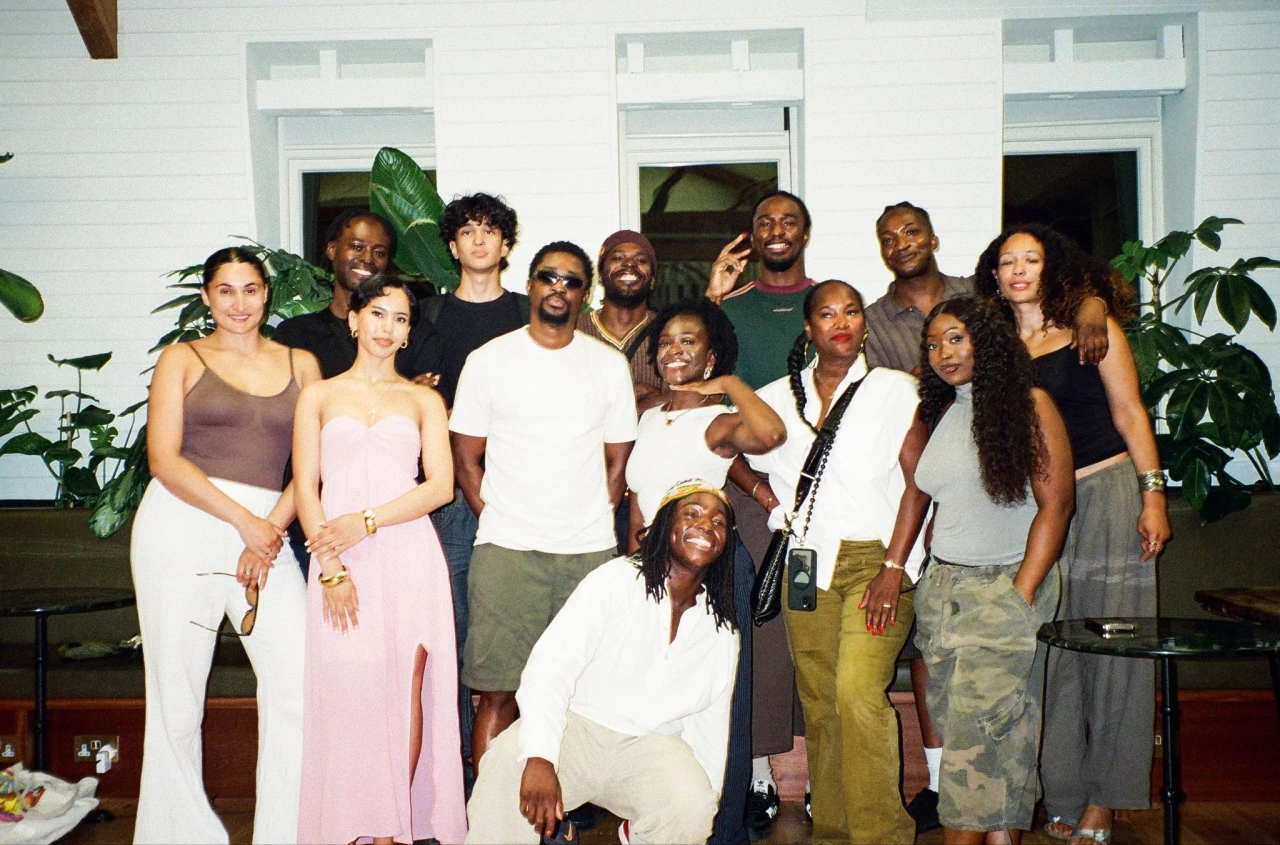
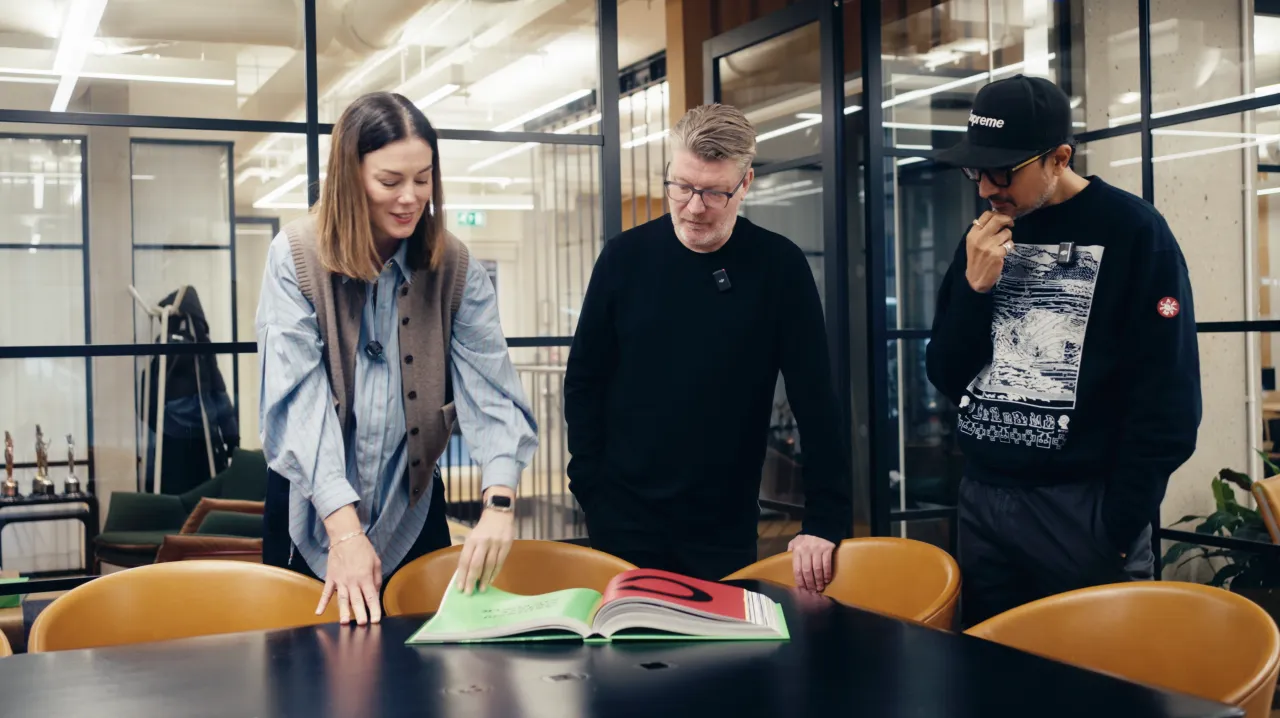
The Black Math Team
Founded in Boston in 2012 as a boutique animation studio, Black Math has since grown into a globally connected creative partner working across design and technology, with people in Boston, New York, Portland, Richmond, and Costa Rica, and clients including Meta and Google. But ask Jeremy to define the studio's philosophy, and he's refreshingly honest about how long it took to find one. "It took us a long time to realise we even had a philosophy," he says. "Creative people tend not to hold beliefs too tightly. But curiosity is part of the job."
After some time, though, you start to see patterns. The biggest one for Black Math is art. And for Jeremy, "art" is less a medium than a moment. "It's when all the pieces lock together perfectly," he says. And that means everything from the idea and visuals to the overall feeling.
He's drawn to work that feels playful. More than anything, he says, he's interested in things that haven't been done before. He also believes creative people have a much bigger role in products than they're usually given. "And that's only becoming more true," he says.
That appetite has shifted. Jeremy says the pace of change has accelerated and rewritten what creative teams are expected to do. "Creative people have been navigating constant change for years, but it feels like the pace has accelerated dramatically," he says. "The biggest change is that teams can no longer just be executors... We have to be leaders. We have to guide people toward opportunities they may not see yet."
What human qualities does he think matter most these days? "Imagination and the ability to dream up things that don't exist yet has become incredibly valuable," he says. "Then curiosity – a willingness to explore without knowing exactly where you'll end up. And finally, taste – in the sense of knowing what to keep and what to remove," he says. Not forgetting playfulness, of course, "the spark of someone following a genuine interest rather than a predetermined expectation". Why? "Because audiences can feel the difference."
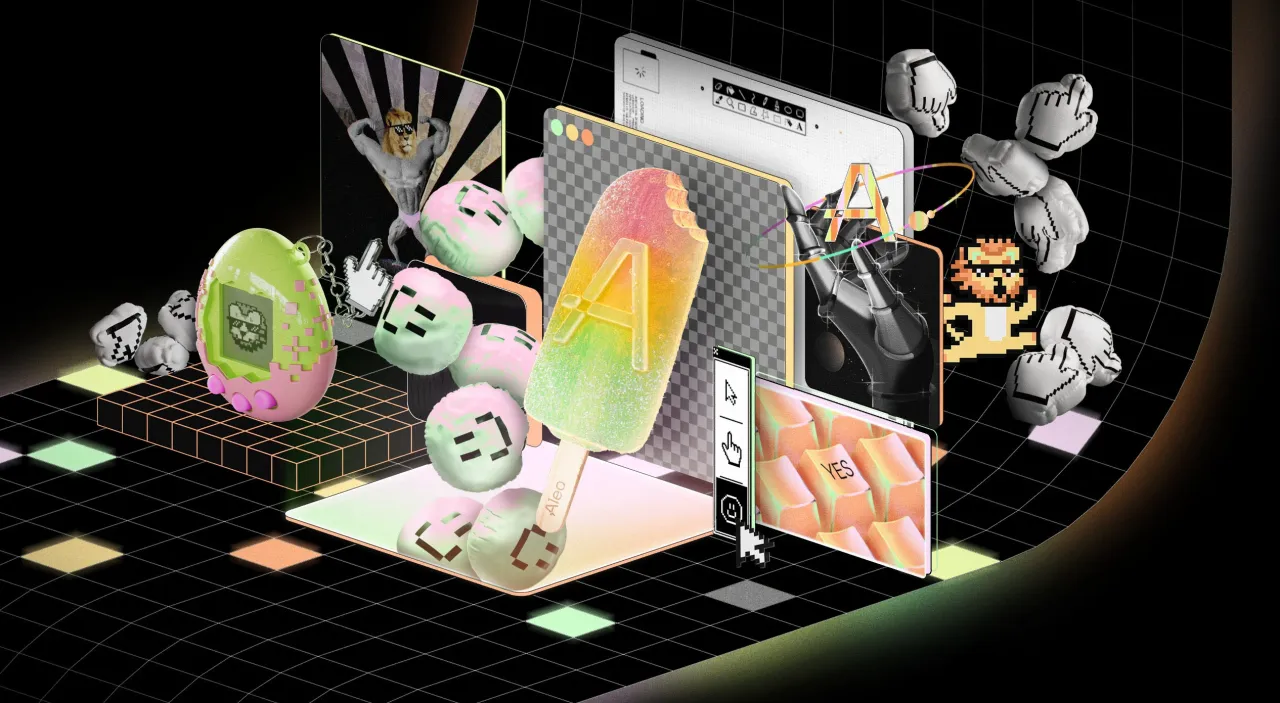
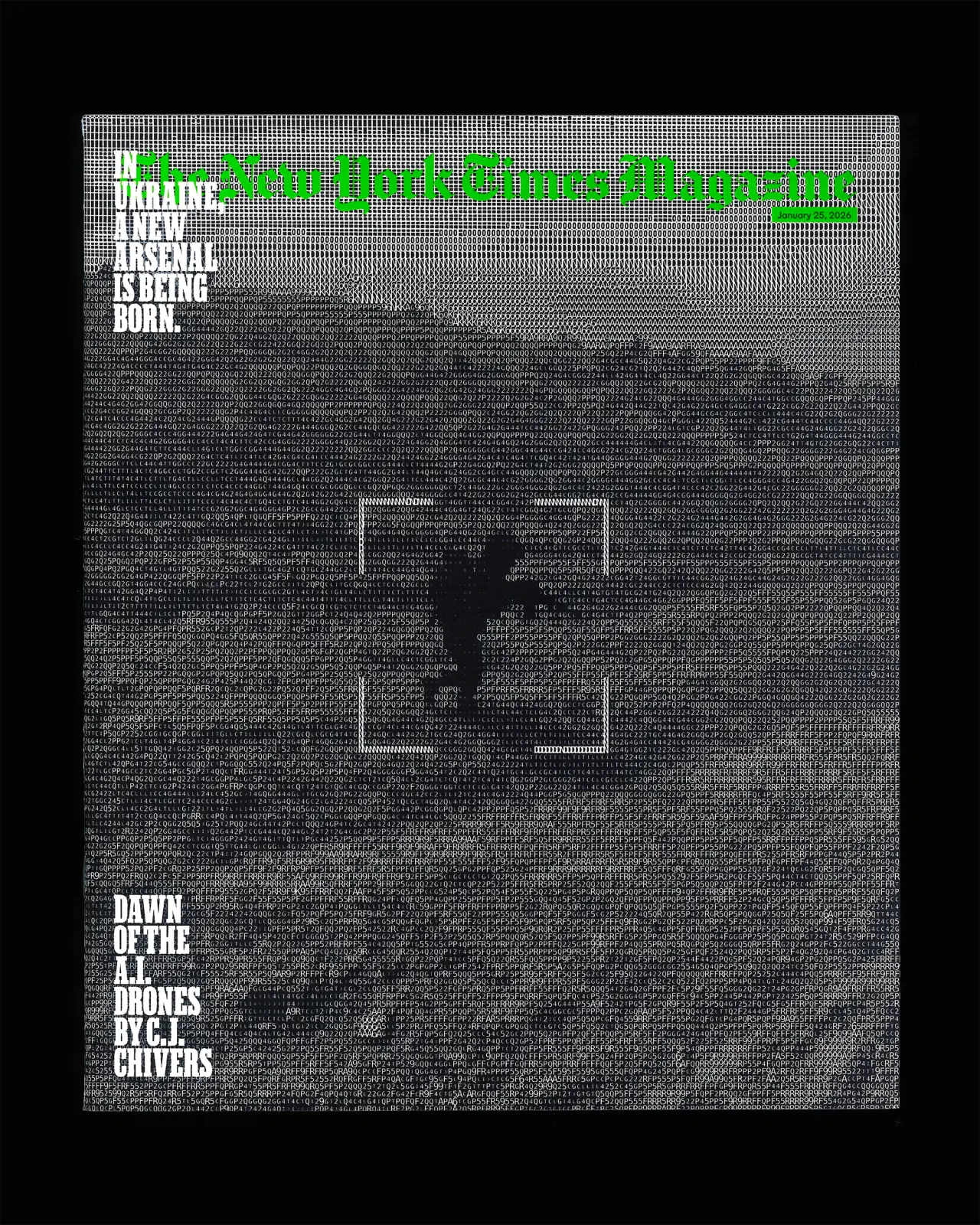
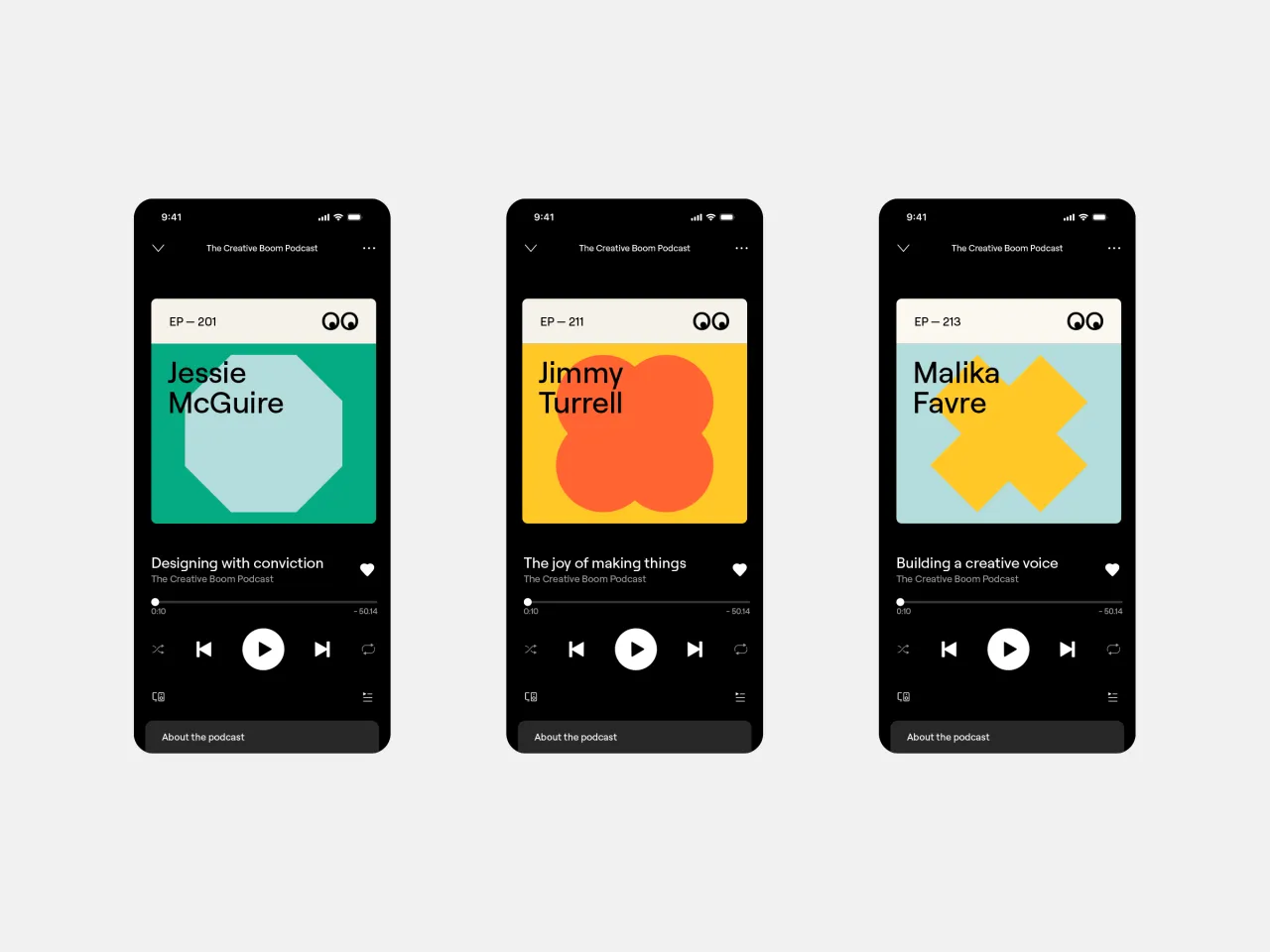
Work for Aleo

Work for Aleo
What he's craving: time, space and partnership. "I'm fed up with conversations around speed and efficiency," he says. "Great work requires iteration and trust. It also needs enough room to explore the possibilities before settling on the answer."
For all the industry's anxiety, Jeremy is optimistic. "There's a tendency to focus on uncertainty right now, but I see a creative landscape that's opening up," he says. "The tools are more powerful, and the barriers are lower. Audiences are actively looking for new kinds of experiences." It feels, he says, like a moment we can all rethink the rules. "The future isn't fully defined yet, and that's exactly what makes it exciting."
On how Black Math is keeping on its toes, he points to a recent internal hackathon in which the team gave itself a few weeks to build a completely new kind of experience. What came out was part audiobook, part social platform, part collaborative art experiment: a system that let many people contribute to a single, evolving creative work, and a wider conversation about what participation might look like next. "Nobody asked for it. There wasn't a brief," he says. "It was simply a group of creative people exploring an idea they couldn't stop thinking about. That feels very Black Math."
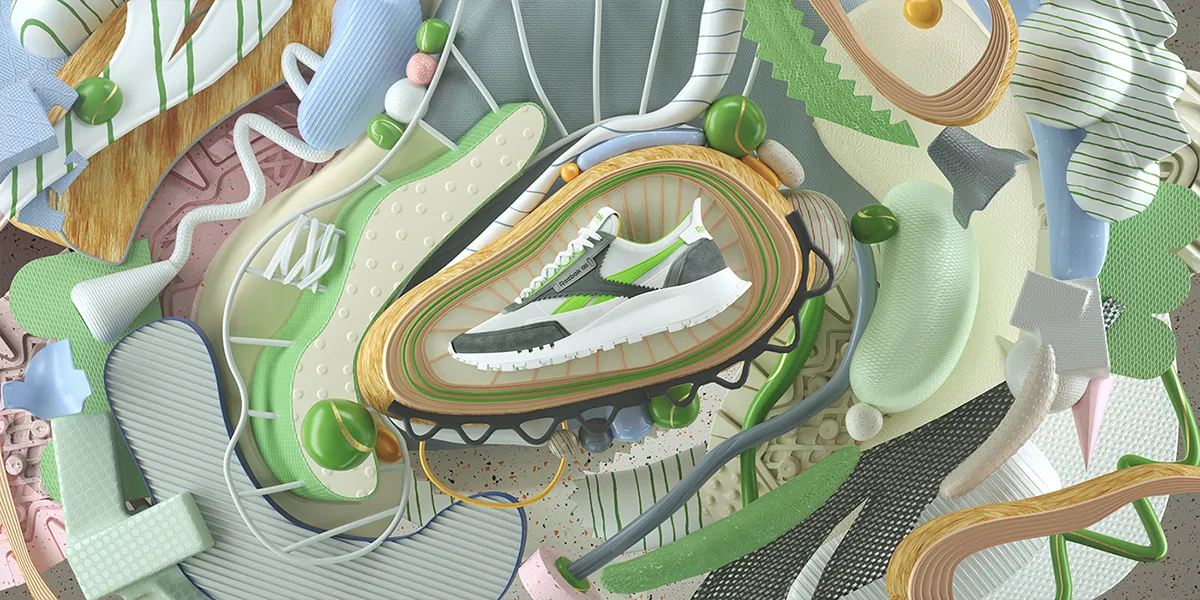
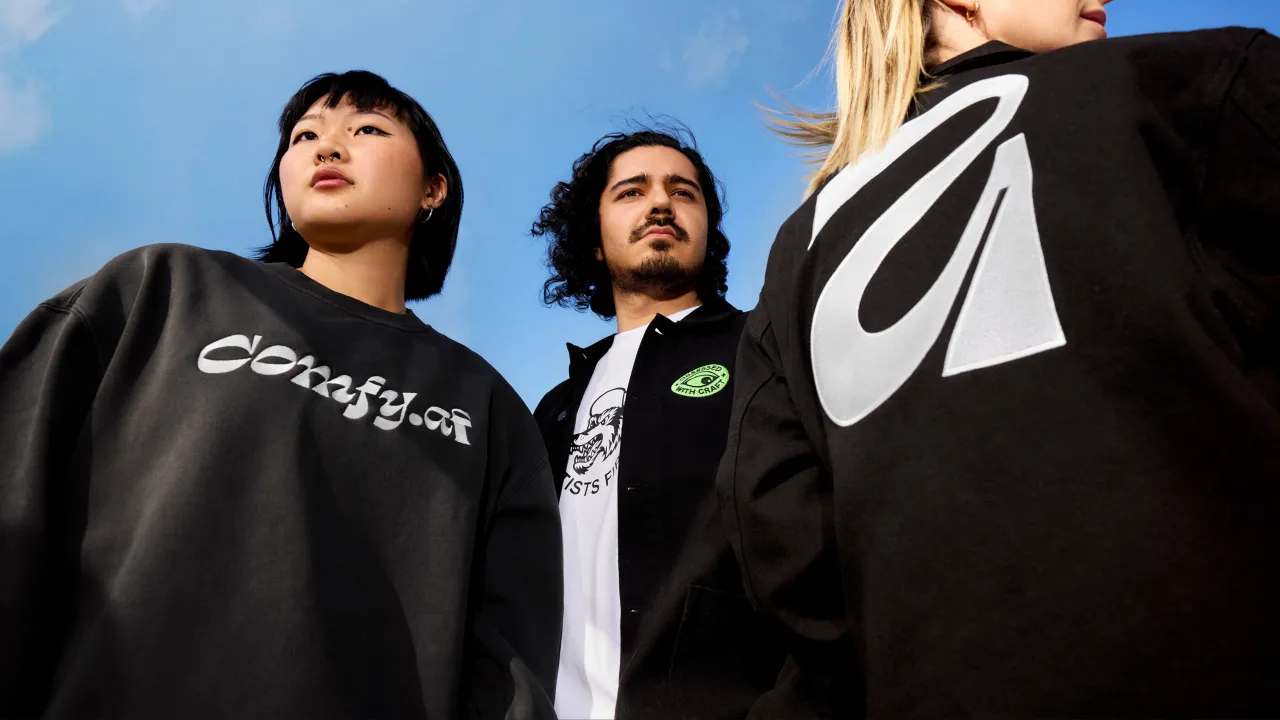
Work for Reebok
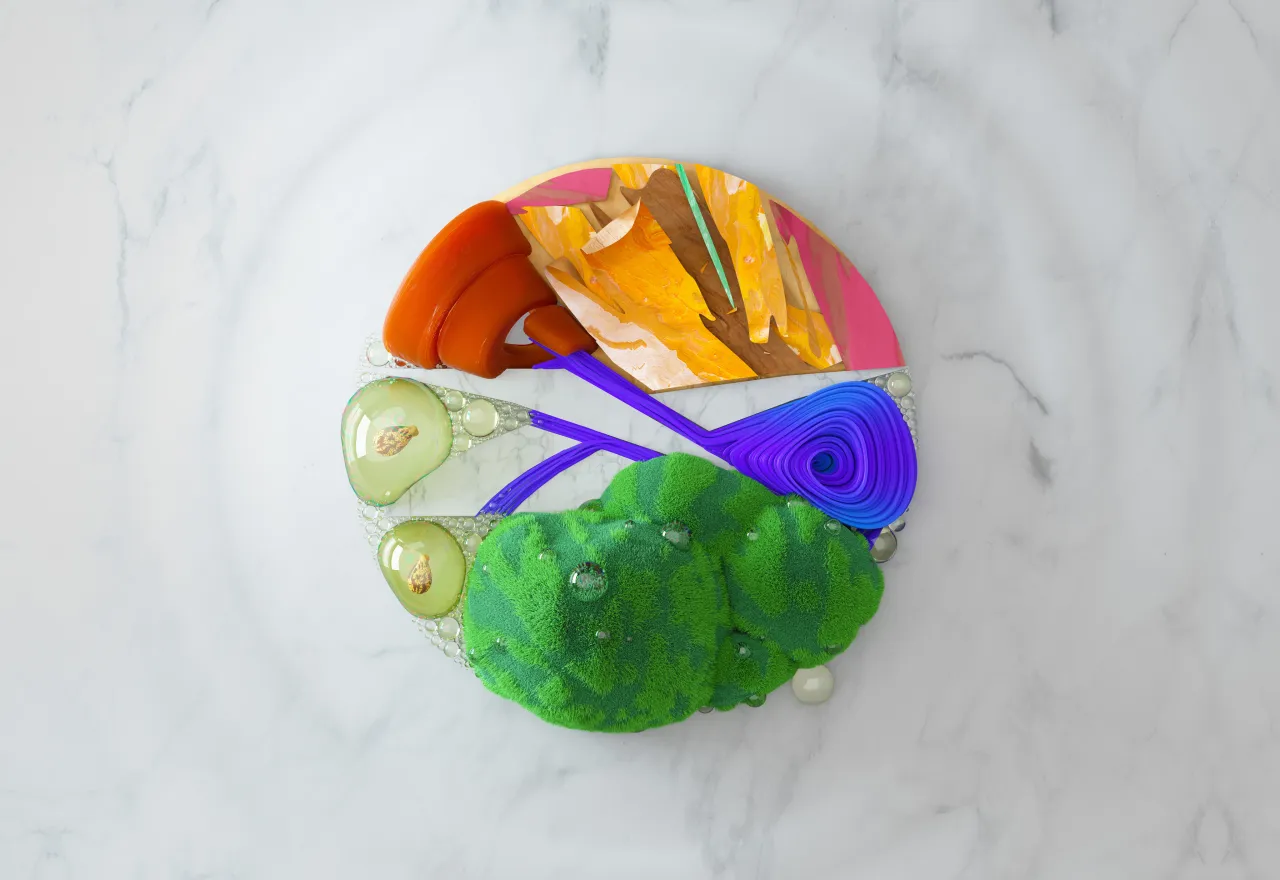
Work for Reebok
Fourteen years of running a studio teaches you a thing or two. The first, for Jeremy, is that your opinion is what people are paying for. "Clients don't hire creative partners because they want agreement. They hire creative partners because they want perspective," he says. "Every time we abandon our point of view too quickly, we make the work weaker." Second, the best work grows out of genuine partnership rather than an adversarial back-and-forth. Thirdly, embarrassment is one of the biggest obstacles to innovation. "The best ideas often feel strange at first. You have to be willing to put them into the world anyway."
As for what's next? "I genuinely don't know. No one does," he says. "Anyone claiming they have a perfect roadmap is probably kidding themselves."
What he can promise is more curiosity. "We'll keep chasing original ideas. We'll keep surrounding ourselves with talented people who care deeply about making great work."