Why your creative eye is the most valuable thing in the studio right now
Taste is a word that keeps popping up in conversation. Many say it's become our most valuable asset as creatives. Which means any tools worth our time are those that deal with all the grunt work without compromising our craft – Adobe Stock's AI Studio being a perfect example.
Since 2009, I've celebrated and supported artists and designers through my magazine, Creative Boom, and during that time, I've come to hugely respect just how much time and effort goes into your work, not to mention the brilliant human craft.
But just lately, AI has taken away the slog, meaning content can now be made faster and cheaper than ever before. If you work in a small studio or an in-house team of three, you'll be fully aware of the change. The brief these days isn't "make something good" anymore...It's "make 40 good things, in five formats, and we'll have it by tomorrow" type thing. Yes, production is faster but expectations are higher, too.
It's no wonder we're exhausted. Some of us, angry. But Creative Boom has always been about supporting you and helping you navigate the ups and downs of the industry, and this includes figuring out new tools and technology that help rather than replace you. It's something we're trying to remain neutral about, so we can remain inclusive, knowing many of you are adopting AI while the rest are avoiding.
But irrespective of this "more and faster" phase we're going through I think the interesting shift is actually encouraging news. When anyone can produce content quickly, the thing that becomes scarce, and therefore more valuable, is knowing what's worth making at all. That's down to your taste and judgment. It's something Aporva Baxi pointed out in our recent podcast. It's about being able to look at 10 versions and say, with reasons, why the seventh shot is the one. That, to me, has always been the heart of any creative's job.
This is where decent AI tools earn their place. The question I'd ask of any tool: does it give me back the hours lost to grunt work, so I can spend more time being creative?
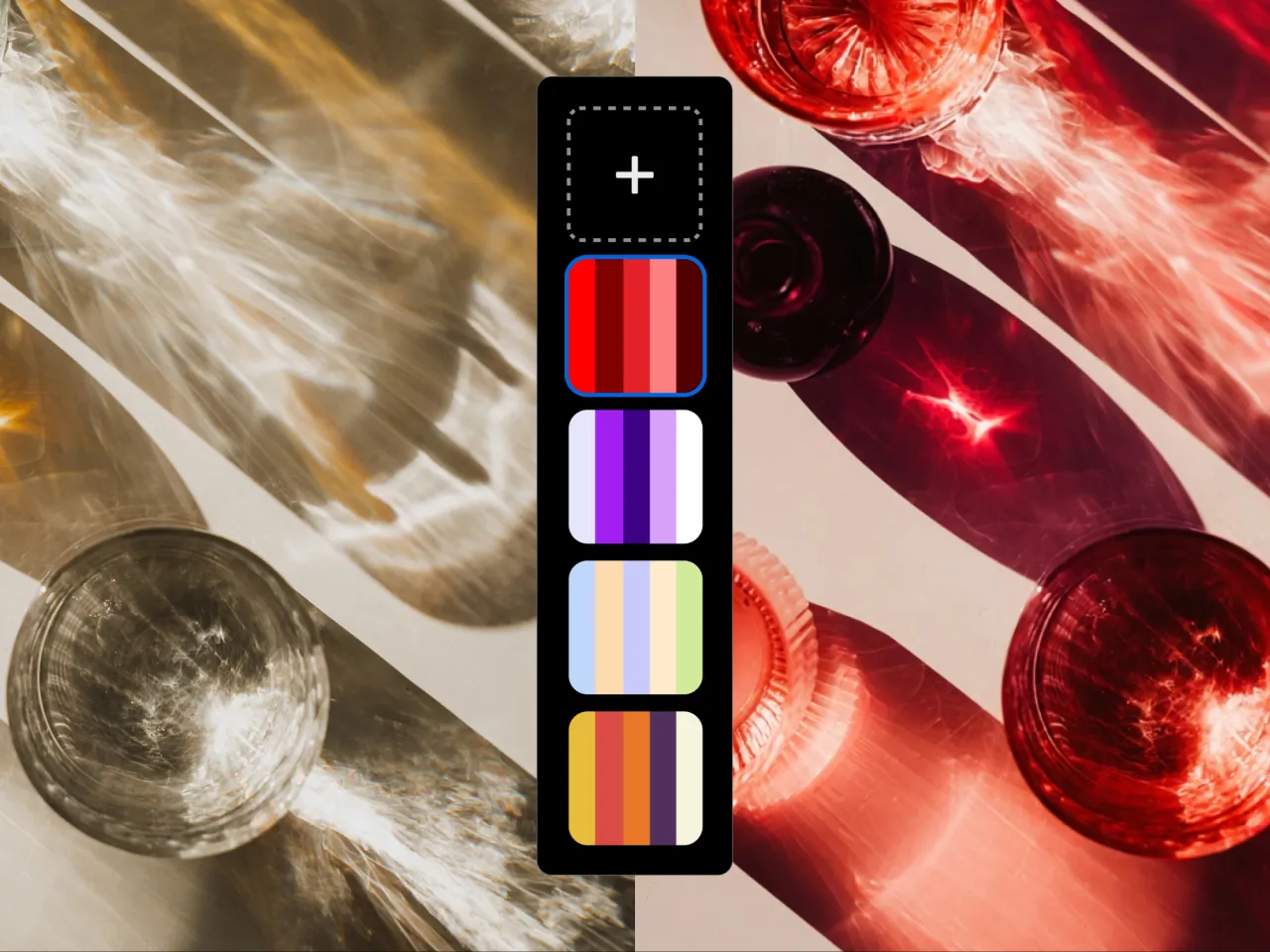
It's the test I've been putting Adobe Stock's newly launched AI Studio through. For instance, clearing an unwanted object from the background of an otherwise perfect shot. Nudging a colour to match the client's brand palette. Perhaps sizing the same content for 10 different placements. None of that is a creative act; it's the boring stuff around it. And giving that to a machine, so I can focus on the choices that need taste, that's a very different proposition from being told to simply produce more, more, more.
I also appreciate where it starts. AI Studio sits atop a collection of nearly a billion images, videos, illustrations, vectors and music tracks. The starting point isn't a blank box and a text prompt. It's real content, shot and drawn by actual photographers, illustrators and artists, that you can refine and play with until you're happy. You can also keep track of your edits with the new in-line editing feature. You're exercising your own judgment throughout.
That foundation matters to other creators, too. The content you start with in AI Studio is commercially safe, and when you license it, the photographers, videographers and other artists who created it are paid as well. In plain terms, you can put it in front of a client without lying awake at night wondering whose work it was built from.
From there, you can choose the edits you feel most comfortable using, whether that's Firefly or other third-party models. For a lot of us, that's the difference between a tool we'll actually adopt and one we'd never open again.
"Starting from high-quality, licensed content changes the role of AI. Instead of generating something from scratch, you can apply your own creativity to a strong foundation to make it your own," explains Matt Smith, VP of strategy, design and emerging products at Adobe.
Adobe Stock has also, on multiple occasions, provided bonus payments to contributors whose content was considered for training its Firefly models – it was among the first platforms to do so, and to use licensed content rather than scraping the open web. It isn't a perfect arrangement, but it's further down the road in paying and crediting the people underneath the tools than most alternatives.
None of this makes the tool the hero. That's still the person deciding what's worth making.
The tools that earn a place in your process are the ones that take the work that was never really yours to do and leave you with the part that is. "Now that making content is easier than ever, what matters is the creator's judgment. The creators who stand out now aren't the ones making the most; it's the ones who know what is actually worth making. And as technology evolves, creators should capture more value from their creativity, not less," adds Smith.
So no, I don't think the machines are going to replace us or our judgment. If anything, they'll make taste the only thing left to compete on. And for anyone who got into this industry because they care whether the work is actually good, that might be the most encouraging thing we've heard in ages.