Silks, Labubus and a secret garden: my personal highlights from Milan Design Week 2026
Top picks from this year's event ranged from Ai Weiwei's protest fabrics to a garden designed by Paul Smith.
If you've never been to Milan Design Week, be warned: it's huge, exhausting and seemingly endless. Officially tied to the Salone del Mobile furniture fair, the event now encompasses thousands of installations, exhibitions and activations spread across an entire city. You won't find much in the way of digital, flat design here: the focus is very much on the analogue and physical, with an emphasis on product, automotive and interior design, and a little fashion design thrown in for good measure.
It's all very spread out, so you can spend hours walking between venues, wait in cabs as you struggle to navigate busy streets, or opt for the efficient Metro system. But that's only the start: you may then have to queue for 20-30 minutes to enter an event, and once you're inside, there may be crowds to dodge and influencers to get infuriated by.
The atmosphere is intoxicating, though. The streets throng with beautiful, stylish, and immaculately dressed people (Milan takes such things seriously), though you can still get away with jeans and a T-shirt. The weather in late April is warm without being oppressive. Tiny espressos are consumed at every opportunity, and pavement restaurants will feed you throughout the day. By day three, though, no matter how much you're enjoying yourself, you'll be absolutely shattered.
With that in mind—and given that it's impossible to get to more than one per cent of the events on offer—here are my seven personal picks from this year's edition.
Ai Weiwei threads a protest into silk
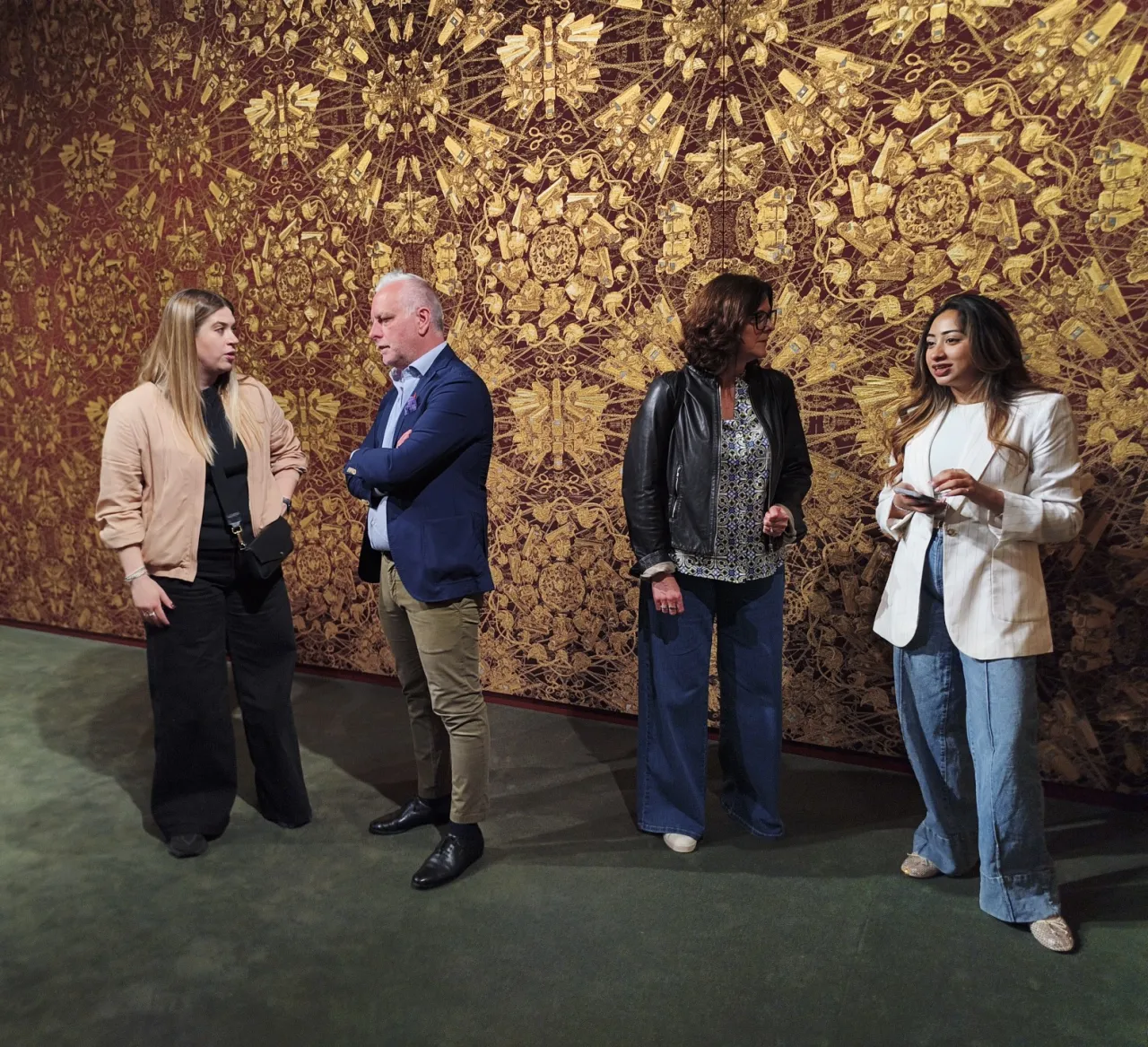
This year, celebrated dissident artist Ai Weiwei used silk—for the first time in his career—to make a political statement, in partnership with luxury fabric maker Rubelli. The choice carried weight, of course. Silk originated in China, and Rubelli has been weaving it in Venice for centuries. The collision of those two histories was the point.
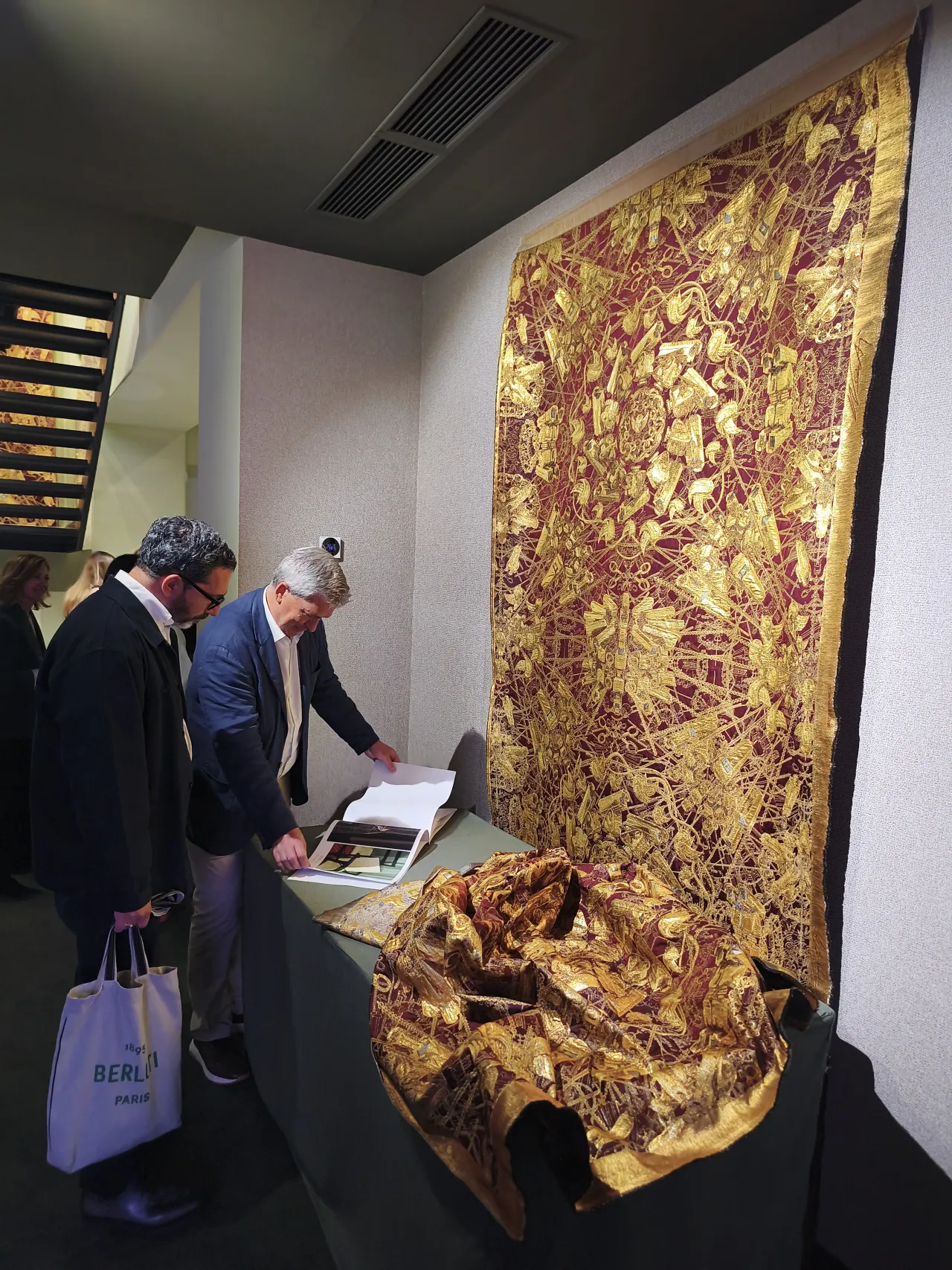
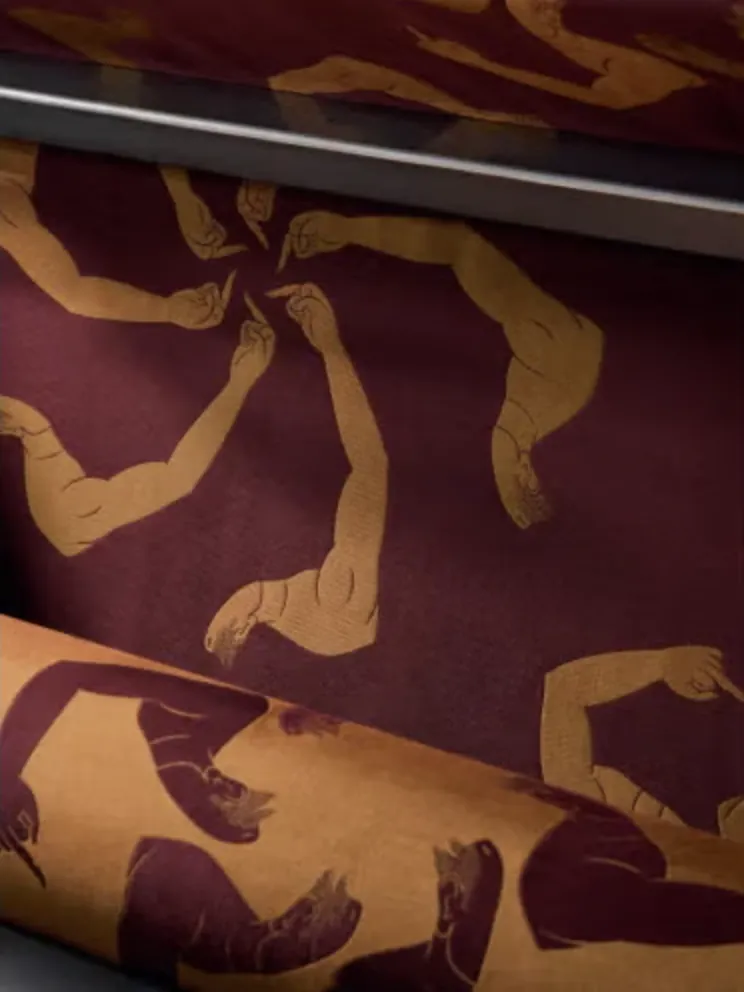
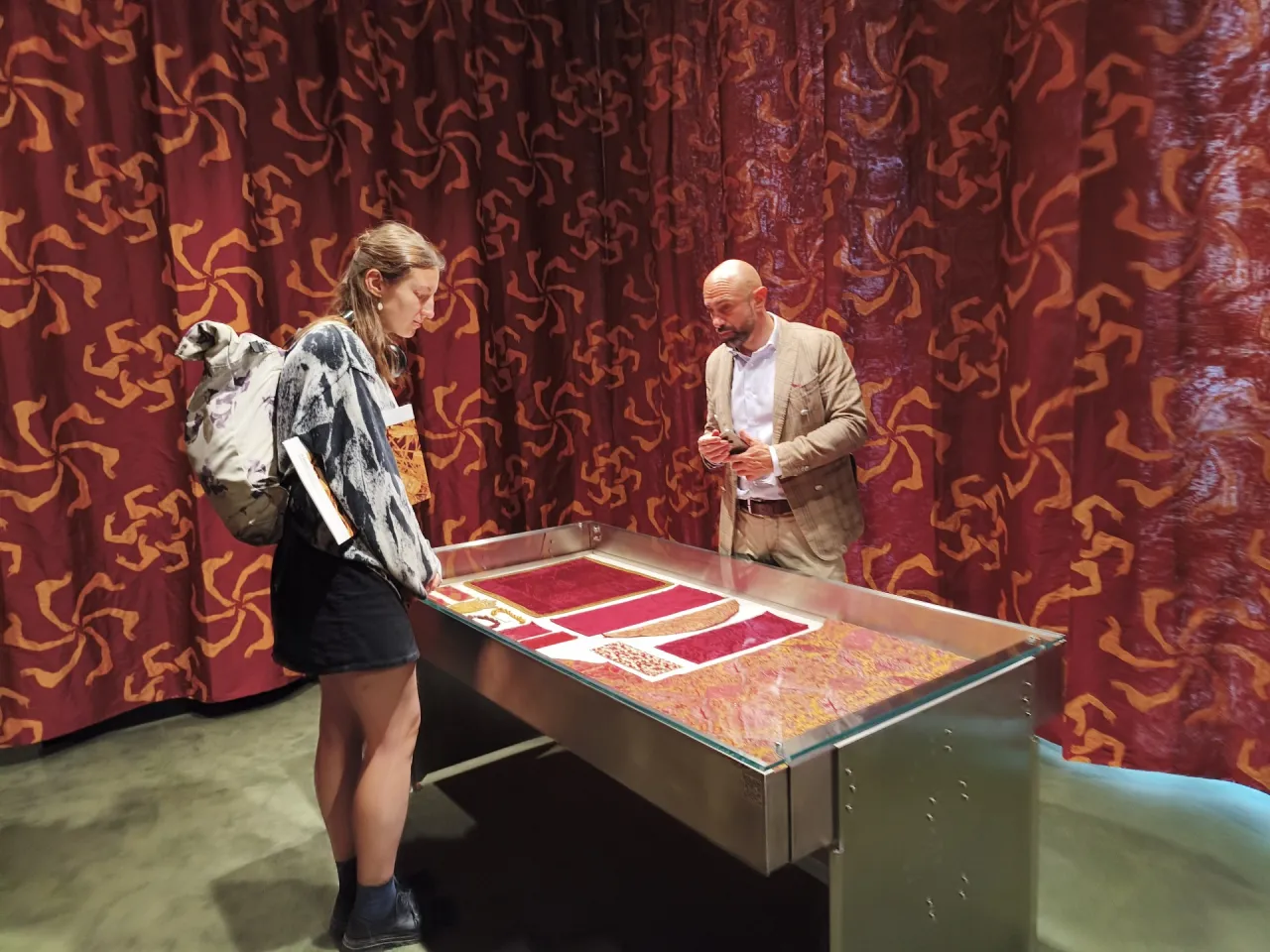
Entering the first room was like stepping inside a textile firework. It was lined with silk lampas in deep red and gold, and as your eyes adjusted, the pattern revealed itself: surveillance cameras, handcuffs, Twitter birds, llamas. The second room was devoted to Finger, Ai's famed middle-finger motif, rendered in a double-face silk that reversed red and orange depending on which side you were viewing. Both funny and furious, it was as neat a summary of his practice as you could hope for.
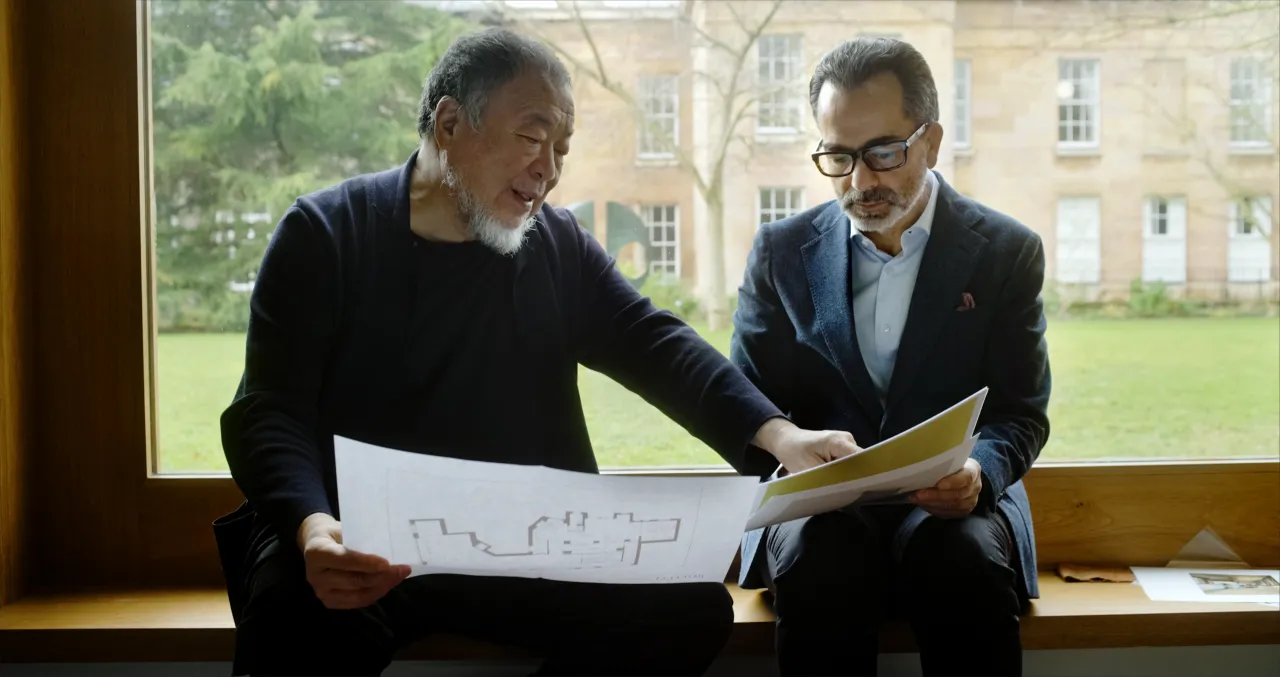
Ai Weiwei and Nicolo Faveretto. Photo: Felipe Sanguinetti
Samsung and the AI future
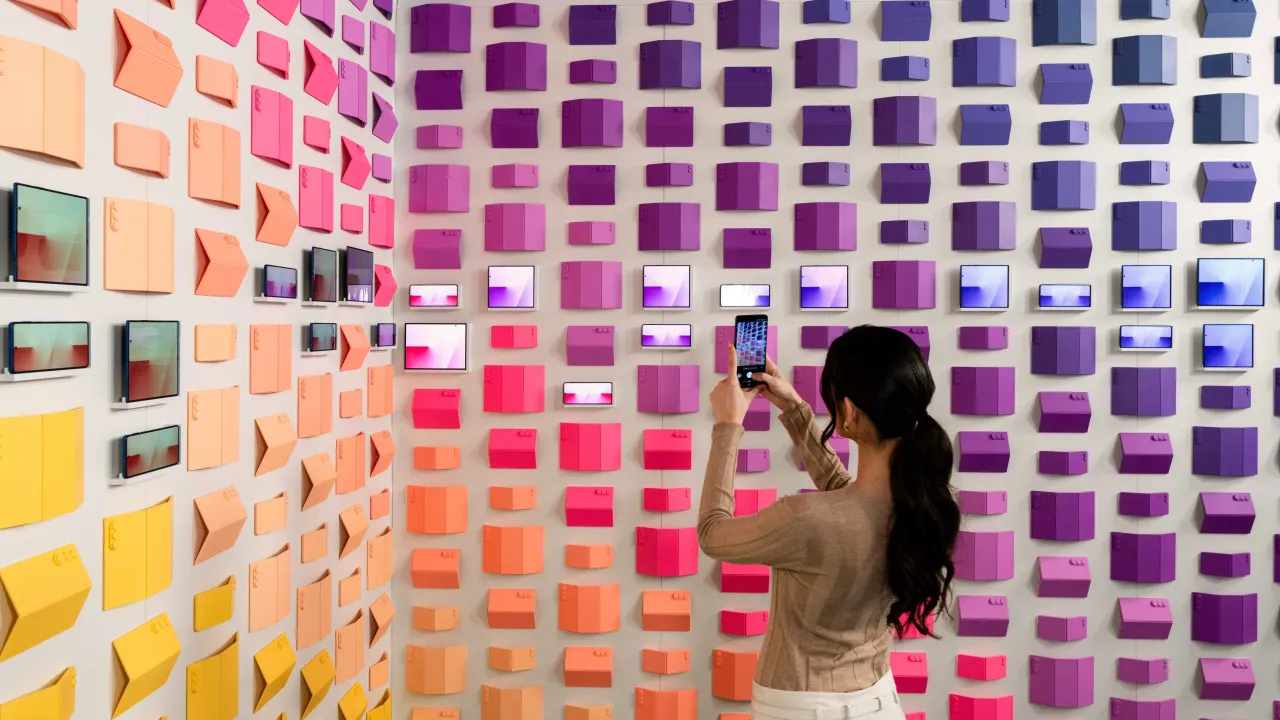
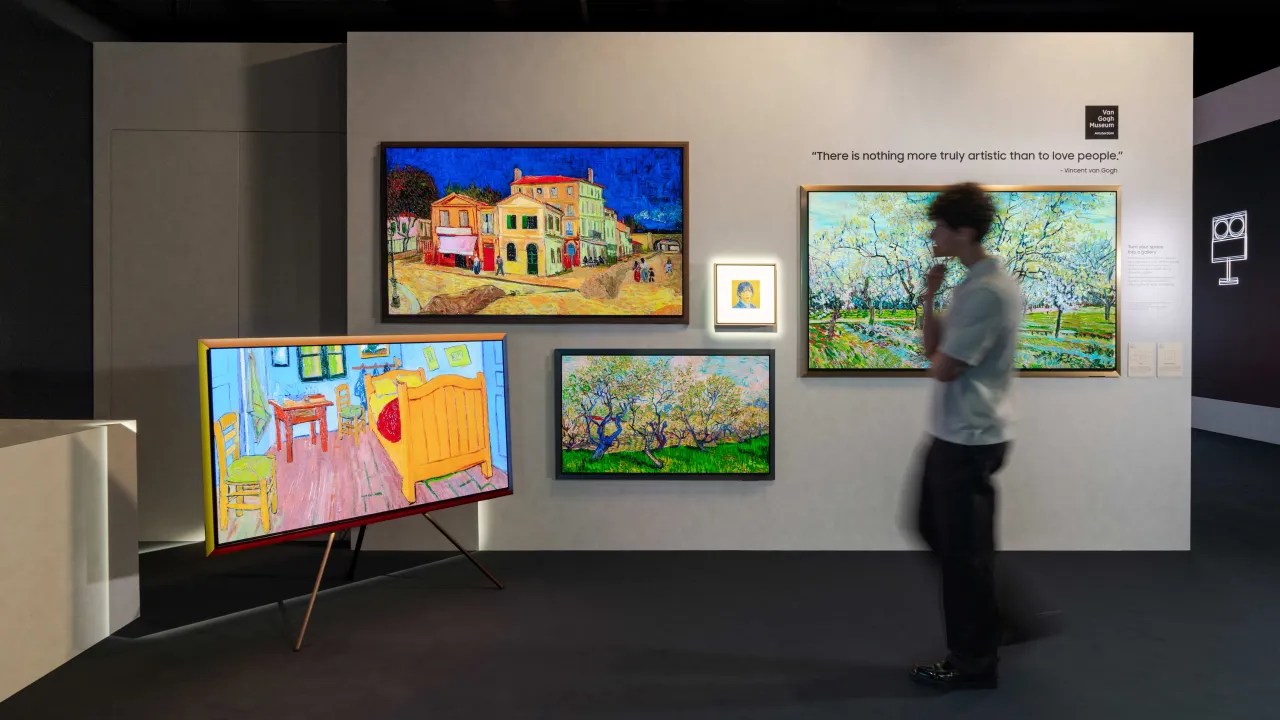
Samsung's 12-zone exhibition featured a choreographed display introducing two concepts: Project Luna, representing shared AI, and the Galaxy Z TriFold, representing personal AI.
The Wearable Intelligence zone imagined an AI avatar drawing on lifetime data from your devices to offer personalised guidance on health and nutrition. The Culinary Intelligence space presented a kitchen that responded to each person's tastes and adjusted the mood of the meal.
In Transparent Symphony, Samsung's MLED display tech imagined a future where screens become "quiet companions within our spaces". The exhibition closed with The Goodbye Show, in which the AI avatar returned for a playful performance, imagining tech that interacts with people in "expressive and humanistic ways".
The philosophy running through it all was explored in my chat with Mauro Porcini, Samsung's chief design officer. Read my full article here.
MINI and Paul Smith make a garden you'd actually want to sit in
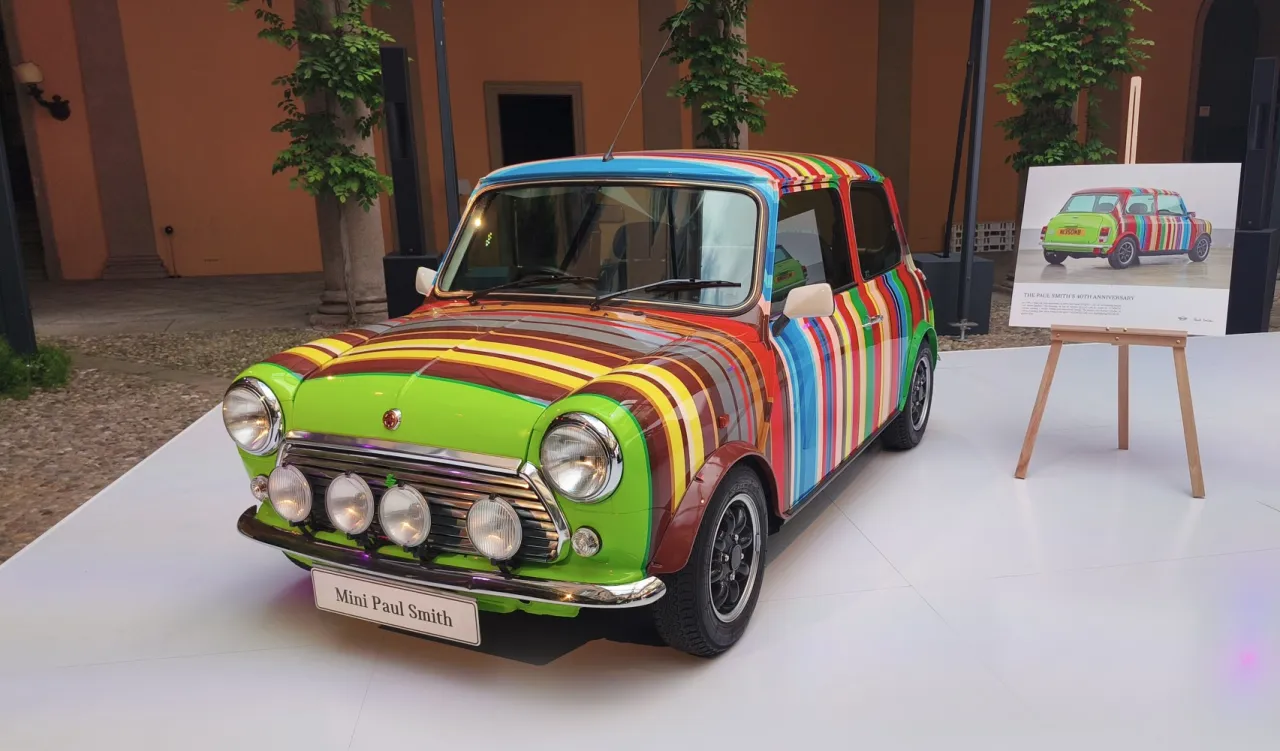
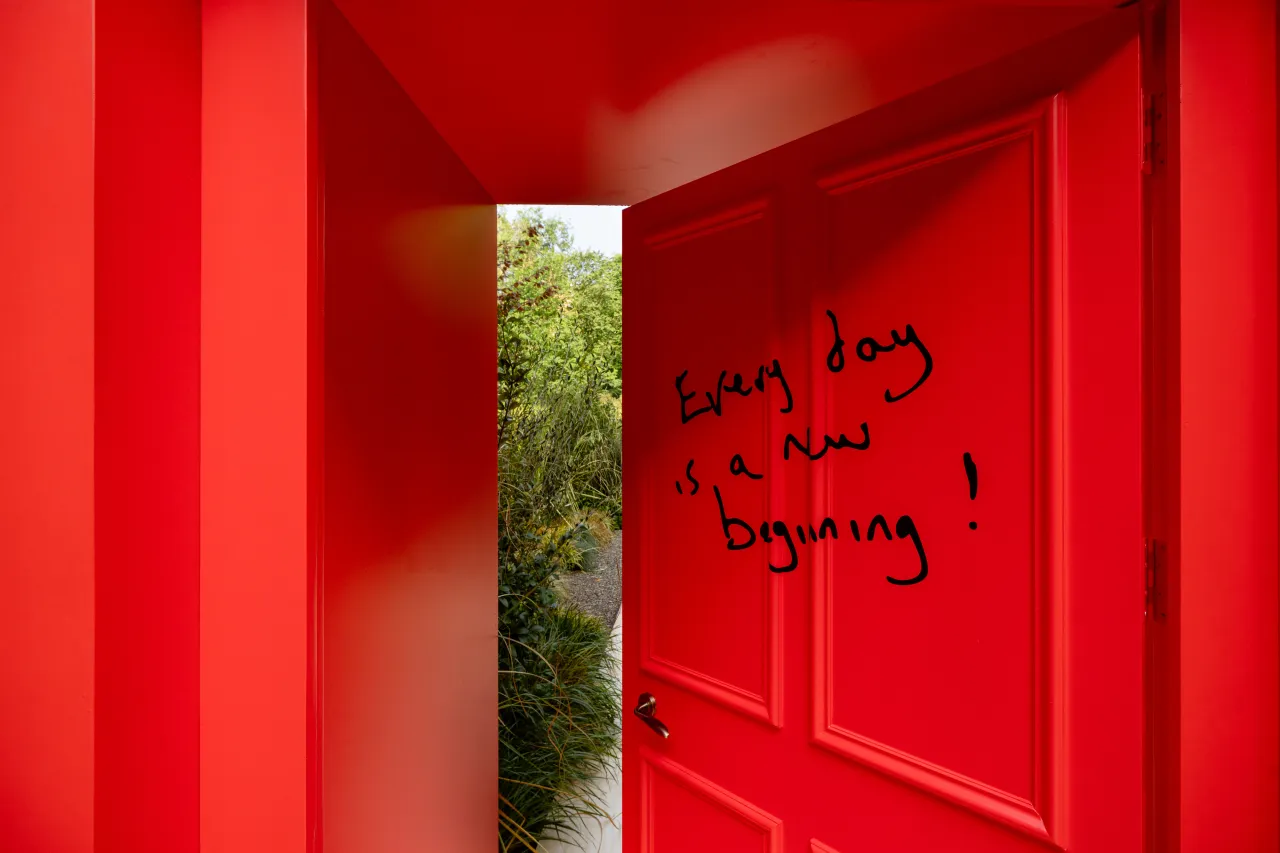
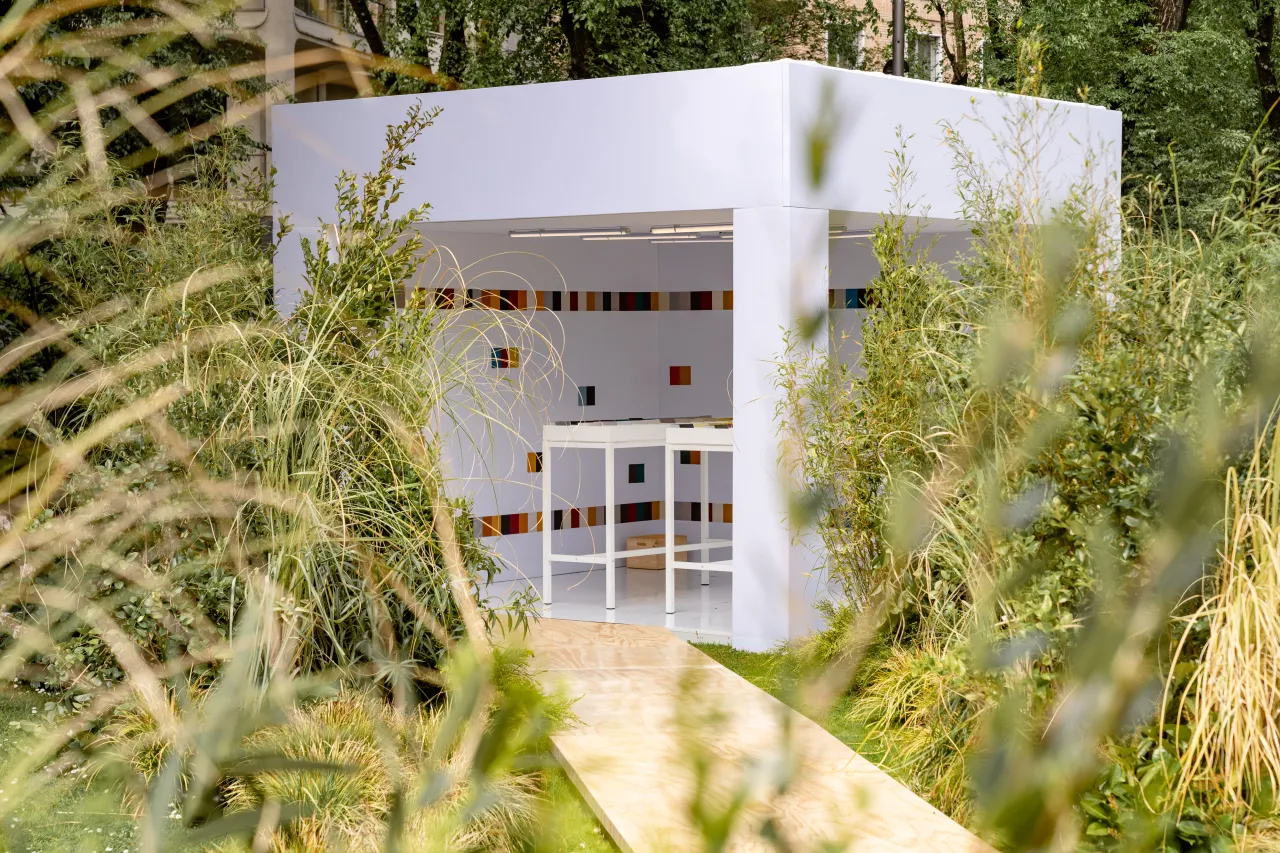
At Palazzo Borromeo d'Adda, you crossed a wooden footbridge, pass through a red door and found yourself in a garden that shouldn't exist inside a historic Milanese courtyard. Tall grasses, timber walkways, open platforms and a discreet stripe of Paul Smith's signature multicolour ran through the whole thing like a through-line. The collaboration between Mini and Sir Paul is now into its third decade, and A Garden of Curiosity was one of its more interesting expressions.
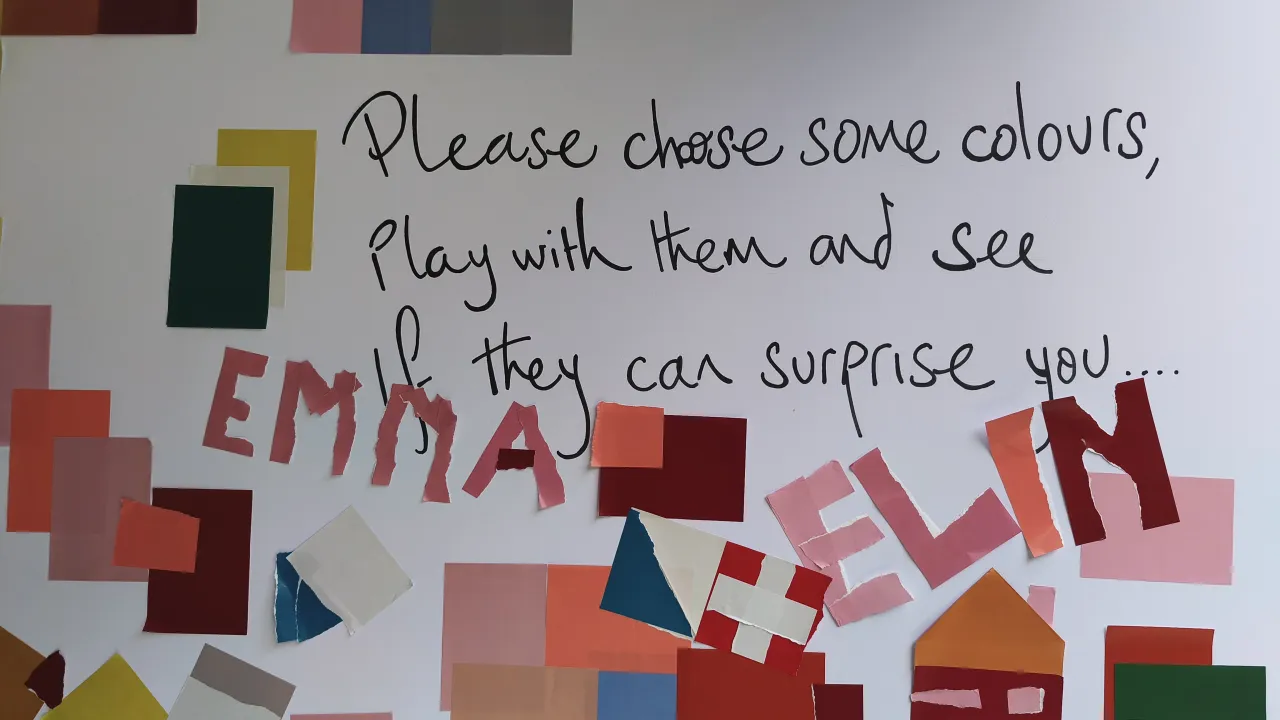
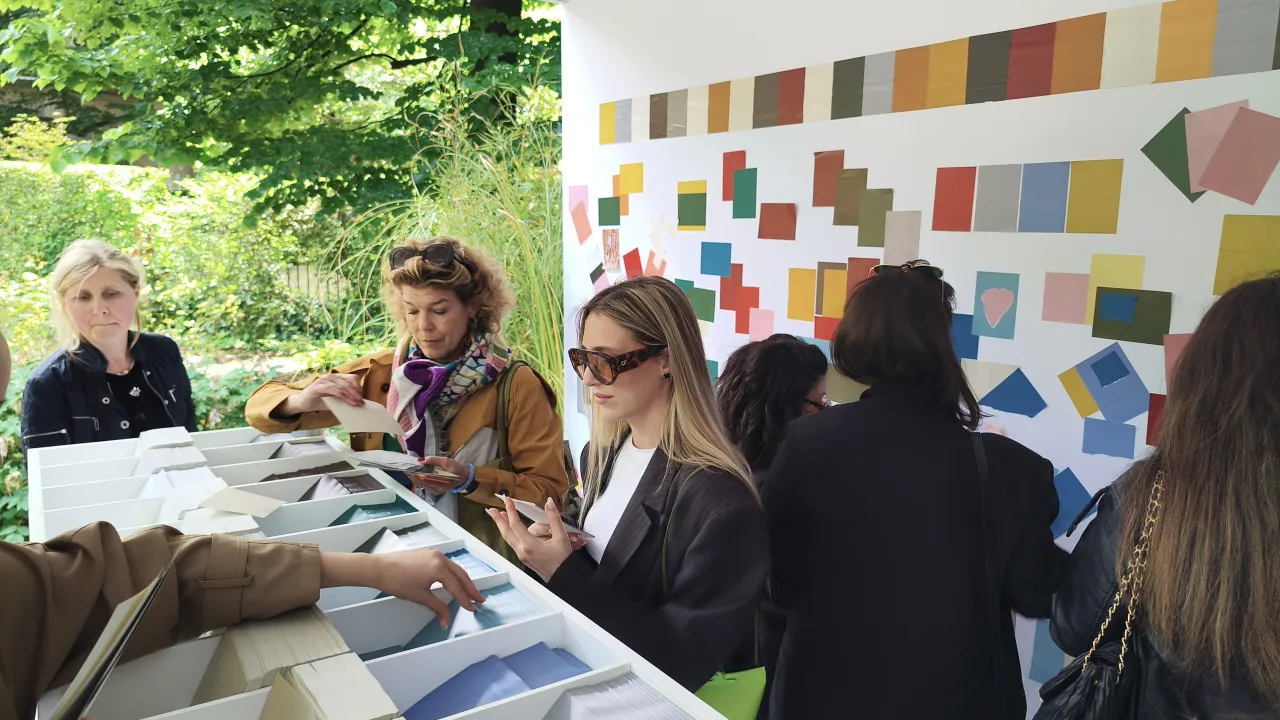
The new Mini Cooper Convertible Paul Smith Edition was tucked into the garden as a discovery, rather than a centrepiece, which, to my mind, is exactly how product design should be encountered. Rooms dedicated to colour theory and to Sir Paul's own voice recordings offered genuine moments of contemplation.
Outside, the courtyard displayed three cars from the partnership's history, including the 1999 40th Anniversary Mini with 86 stripes in 26 colours. That car is 27 years old. The collaboration is still generating genuinely interesting work. That says something.
The world's smallest coffee shops
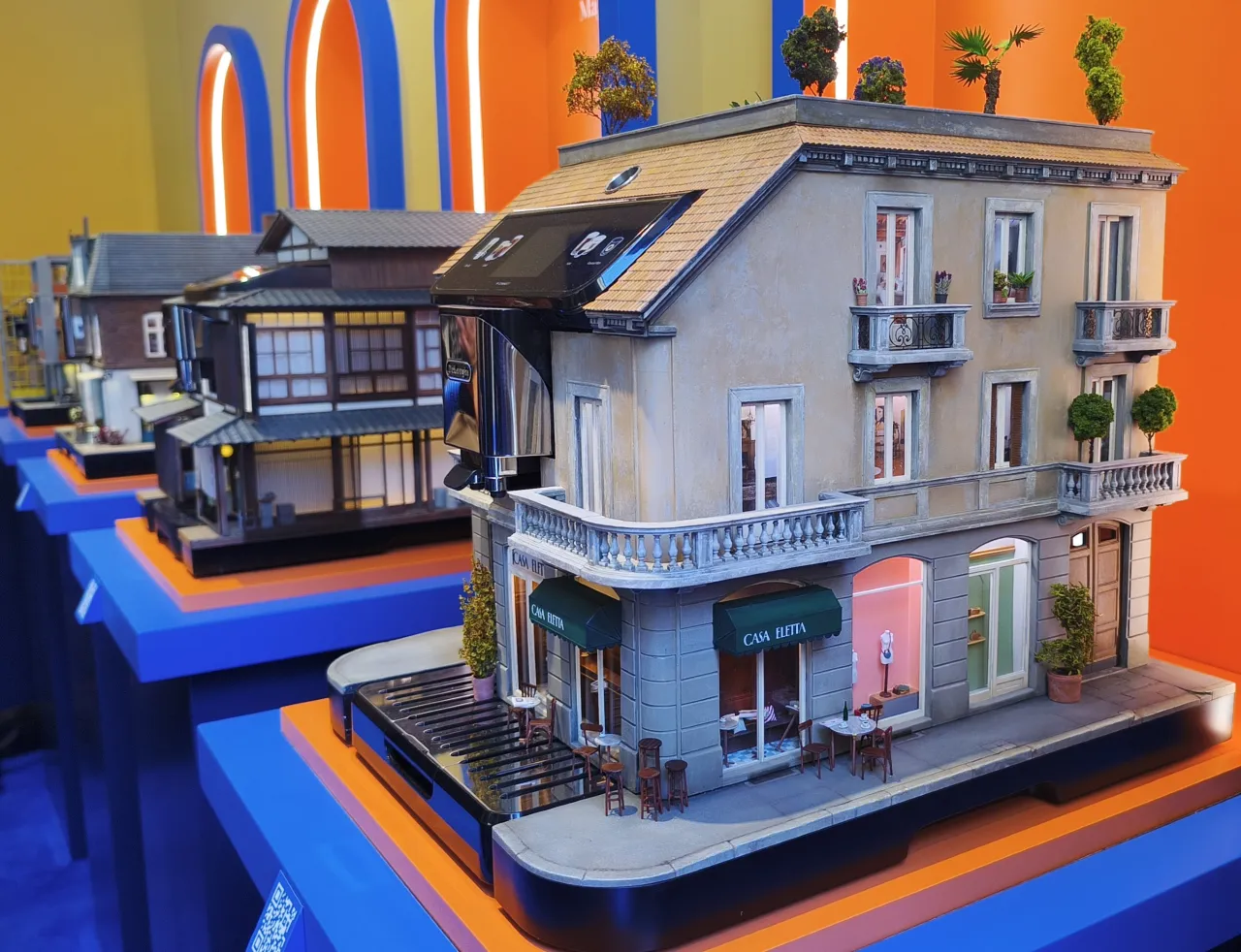
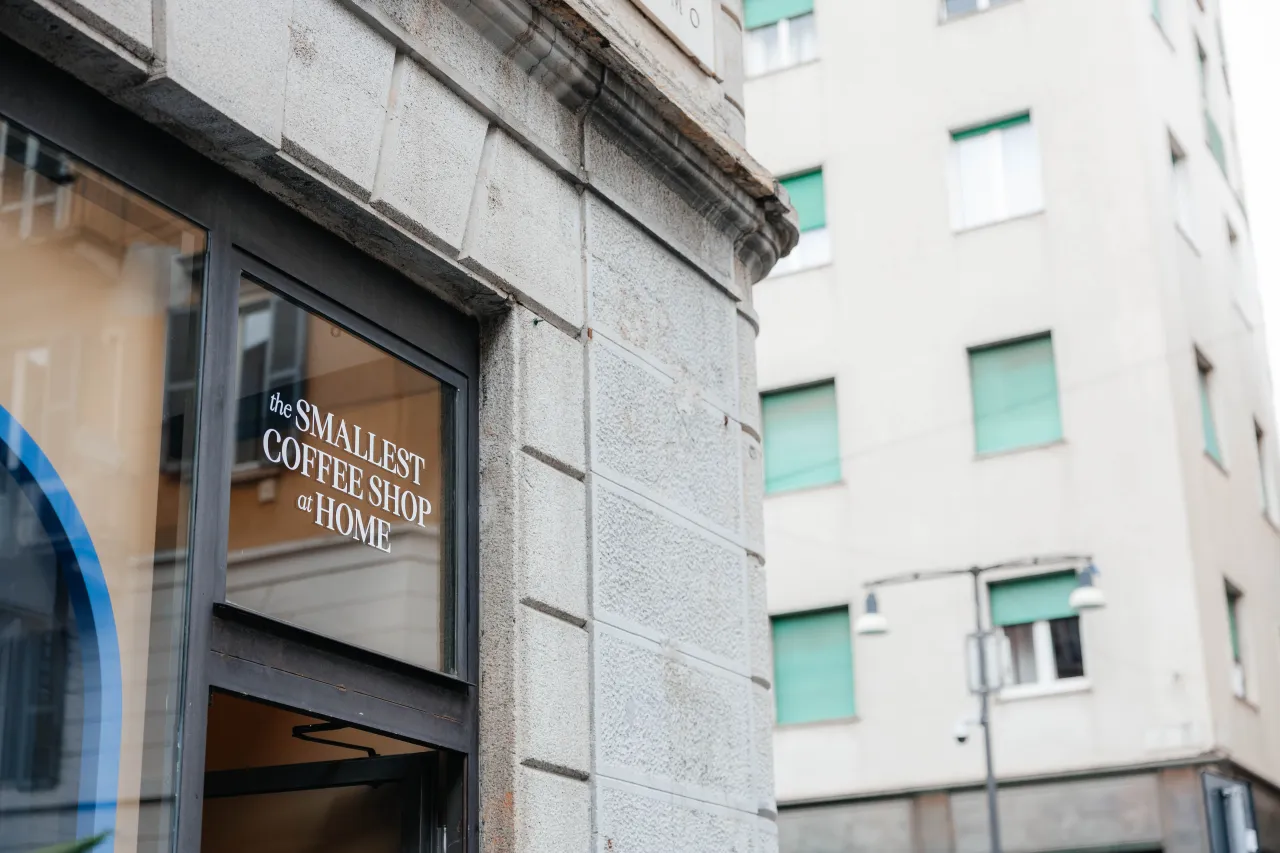
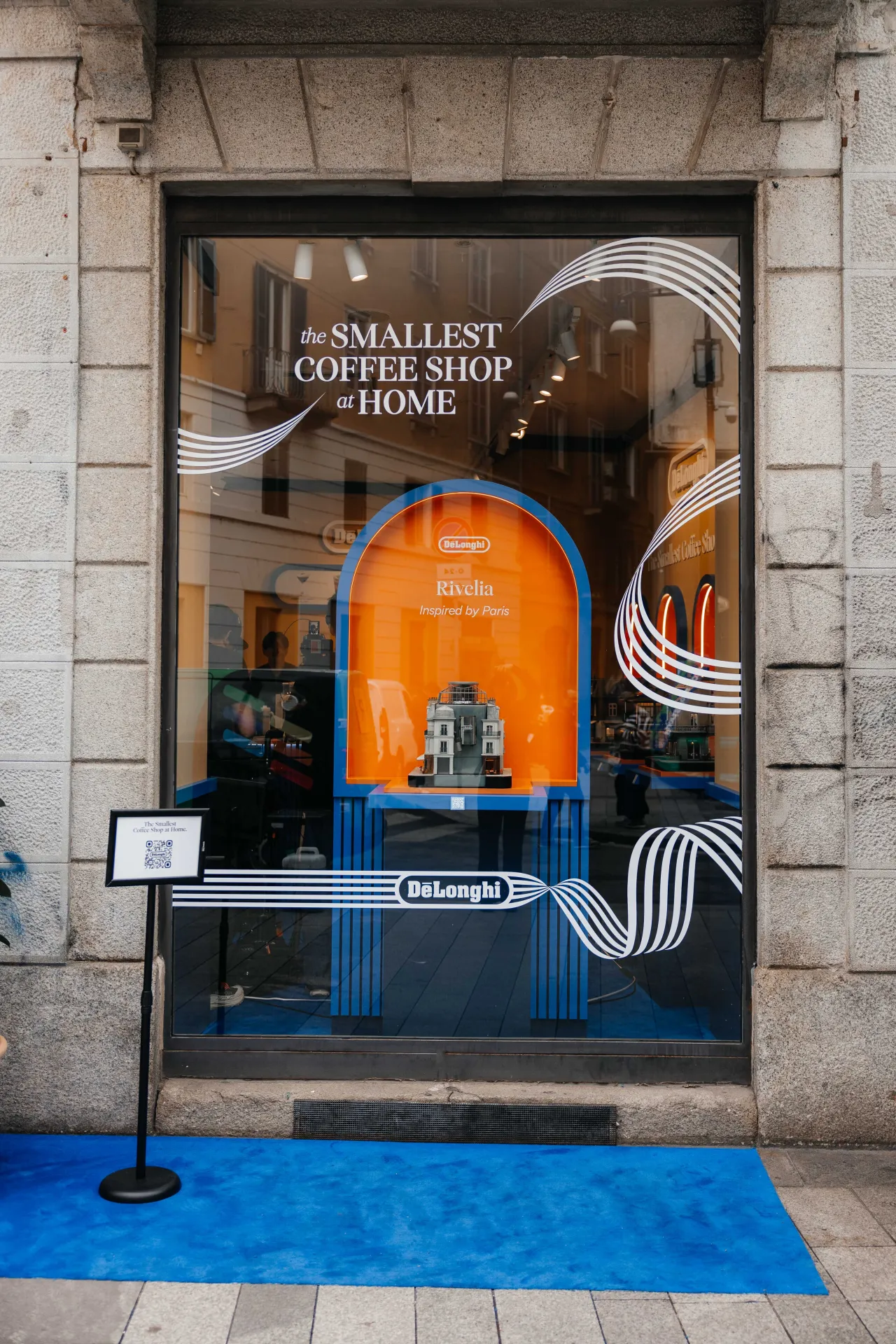
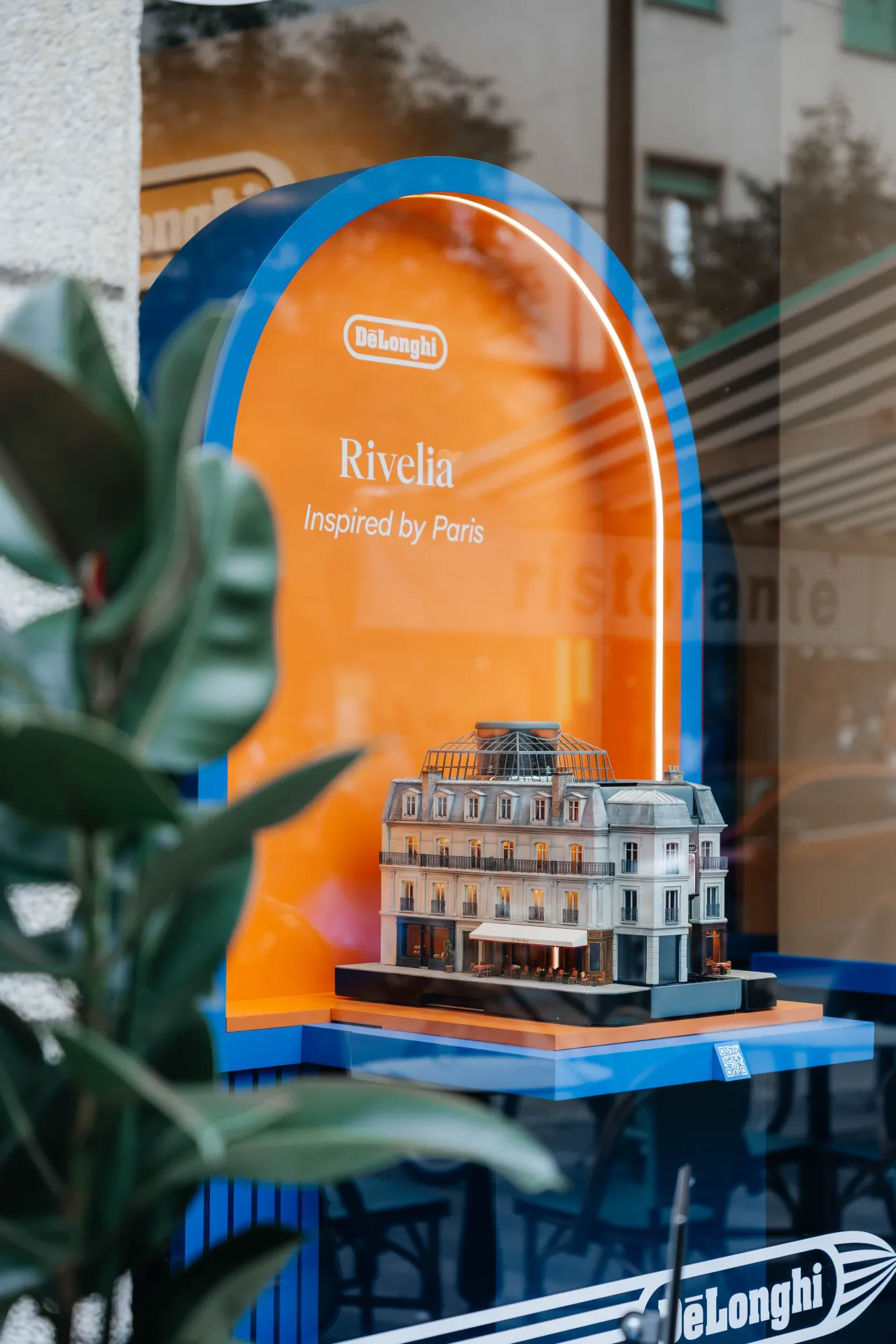
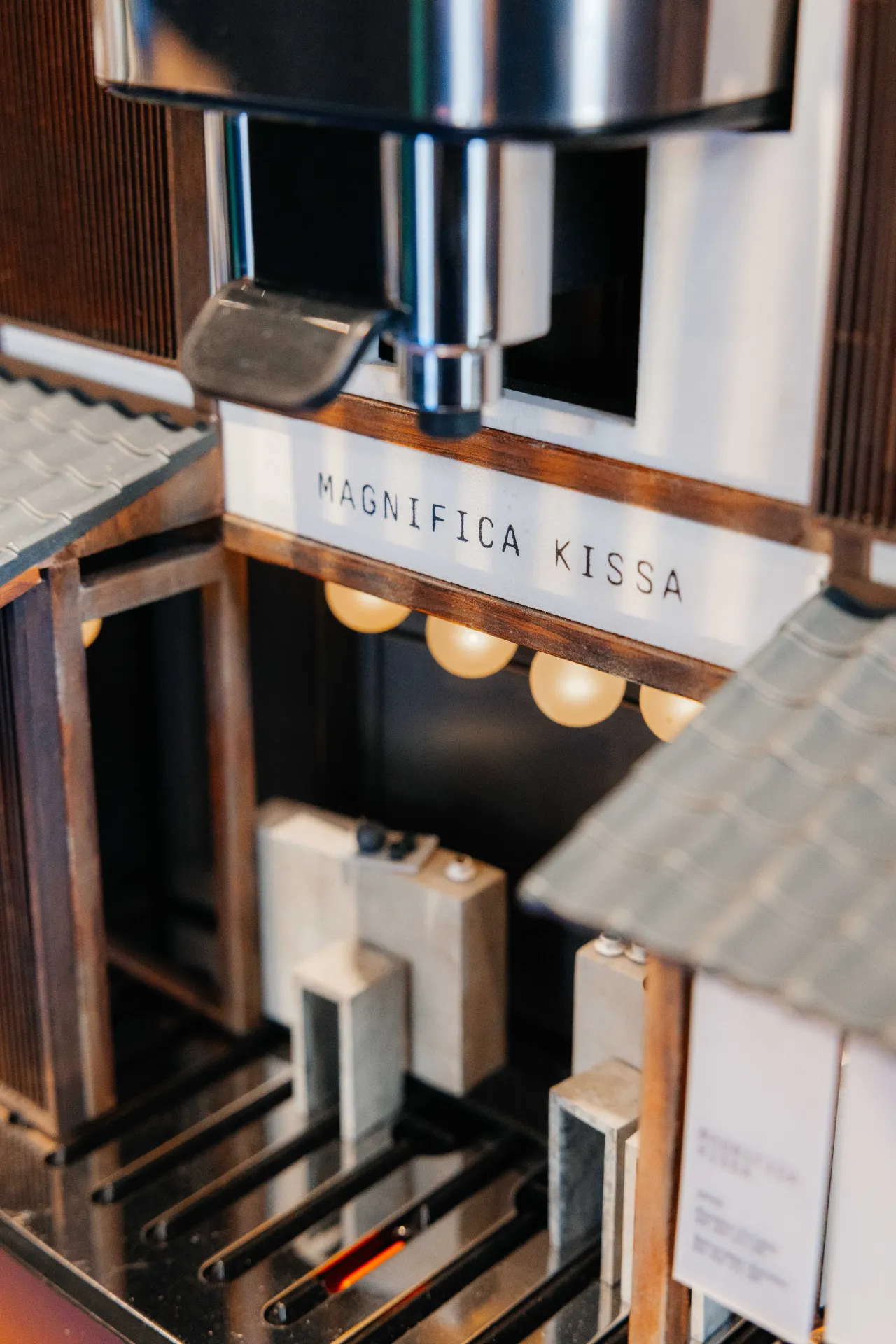
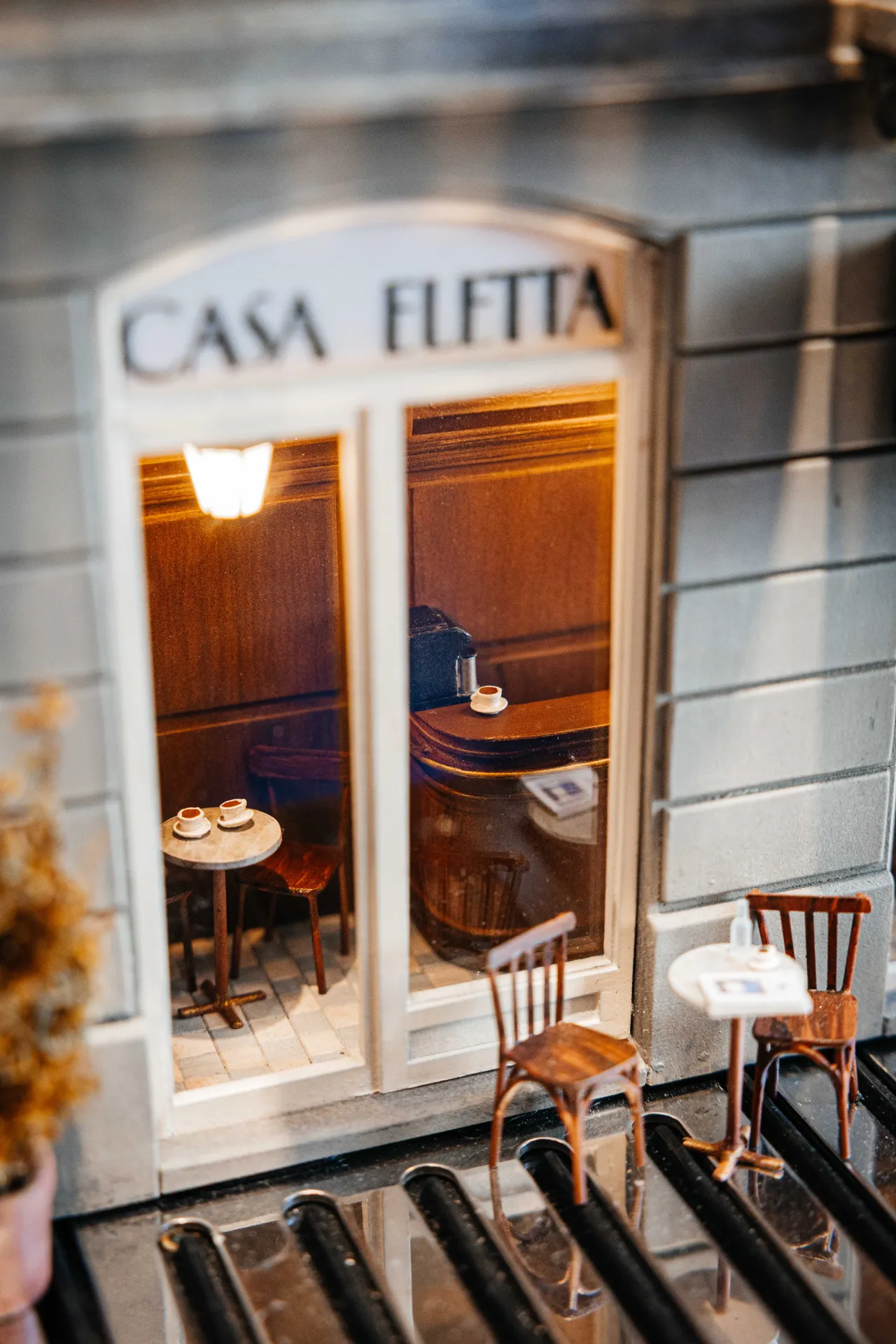
On press day, members of the public were already pressed against the glass of the Brera venue before it had officially opened, craning to see a miniature Parisian apartment block, no taller than a wine bottle, that subtly houses a working coffee machine. I won't lie: it was the thing people were most visibly excited about all week.
The concept: take five De'Longhi bean-to-cup machines and dress each one as a miniature facade from Paris, Tokyo, Milan, Copenhagen, and Berlin. The man behind it was Simon Weisse, a Berlin-based model-maker known for his work with Wes Anderson, including the miniature Grand Budapest Hotel. Read my full article here.
Labubu gets a Swiss makeover
USM, Via San Marco 26
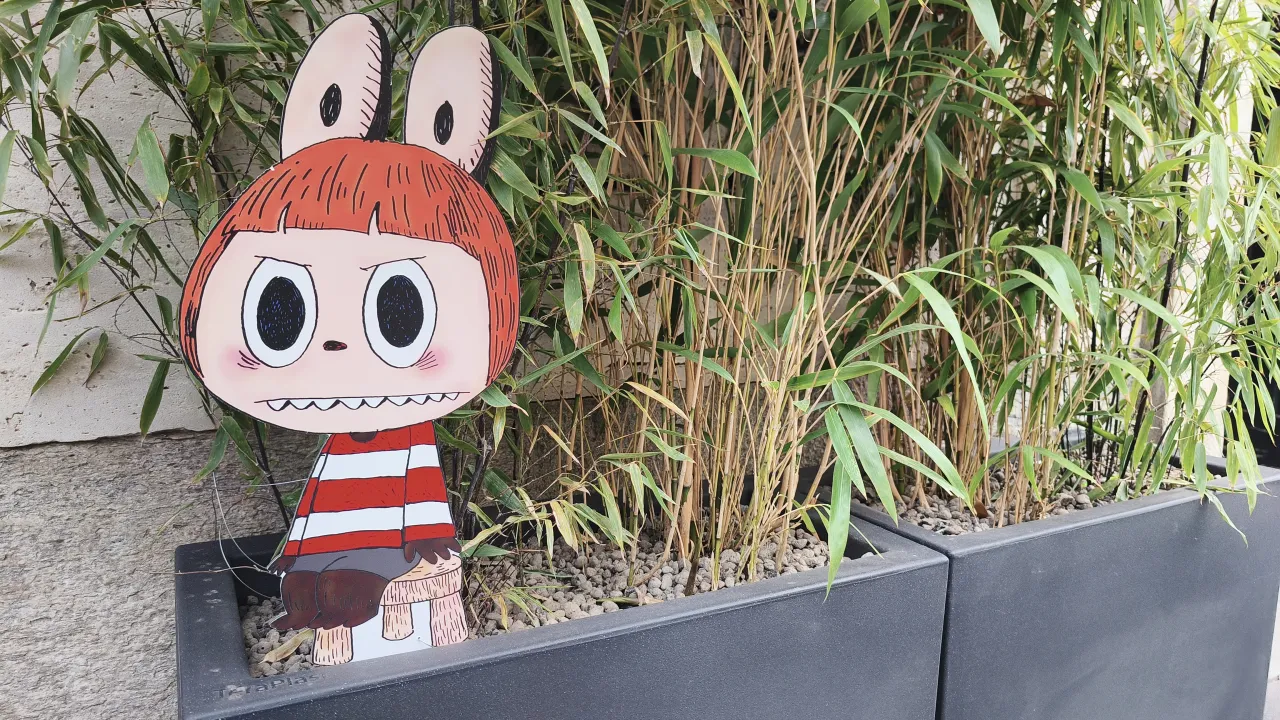
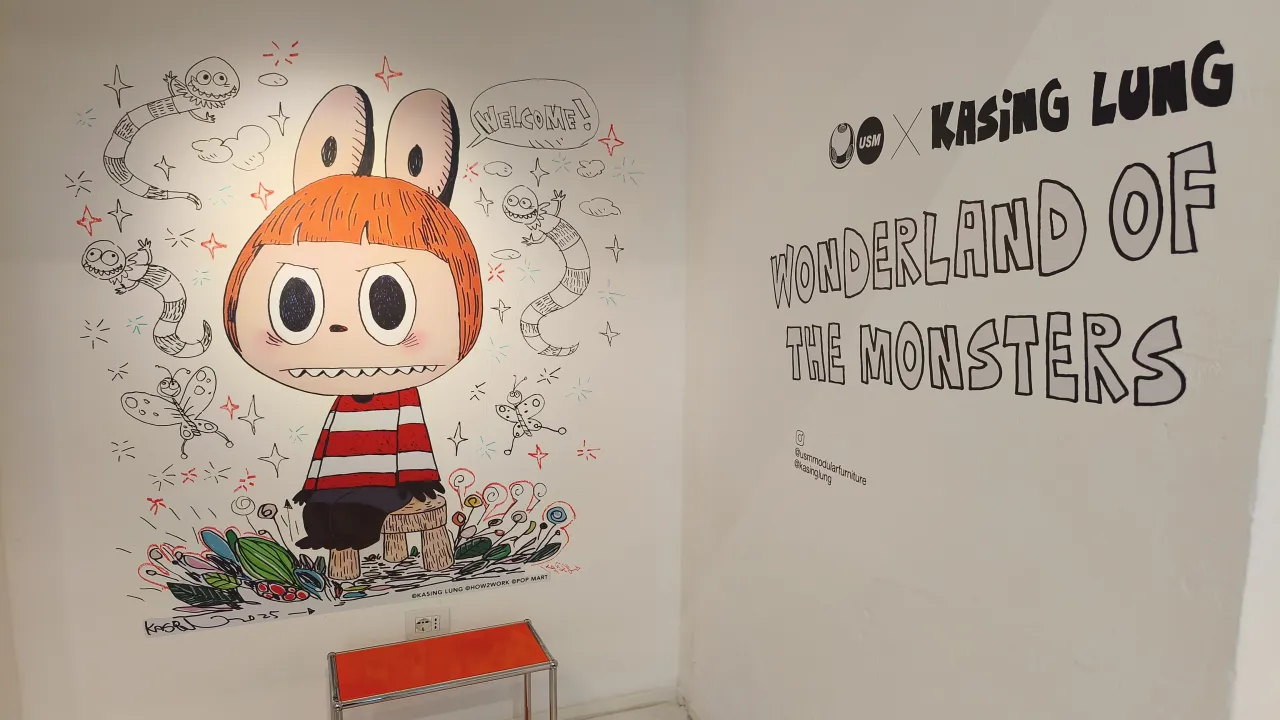
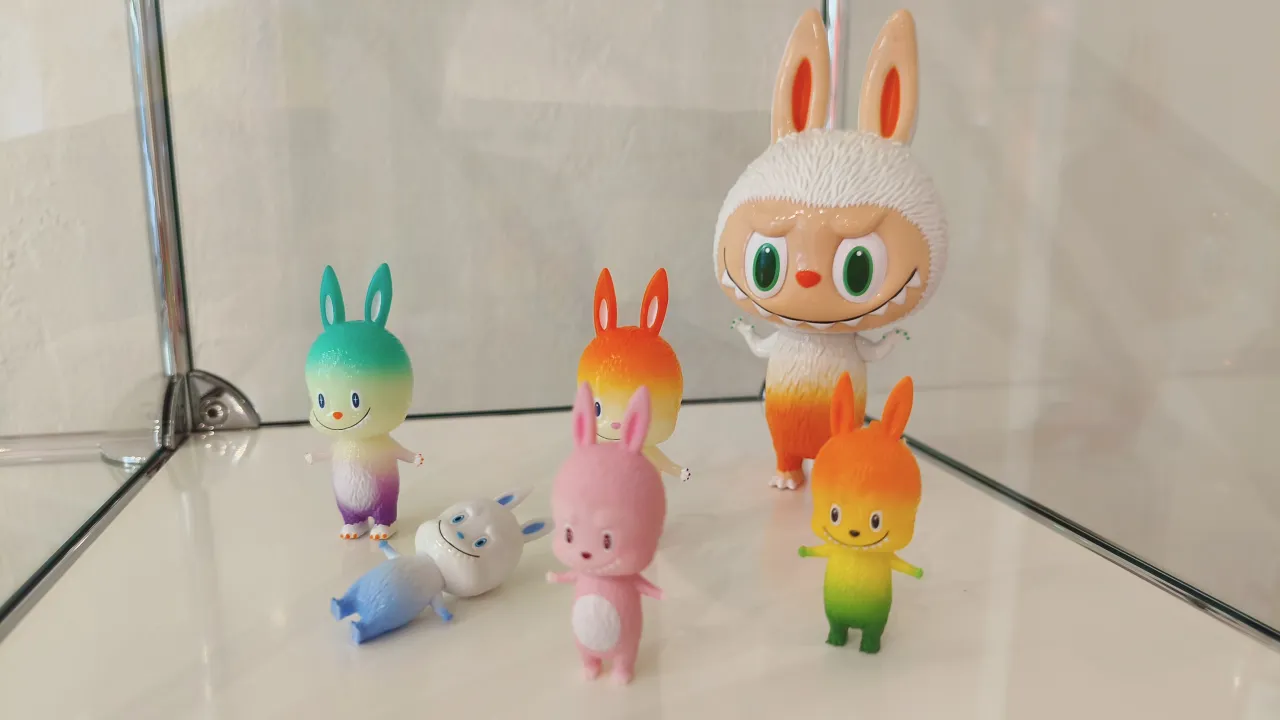
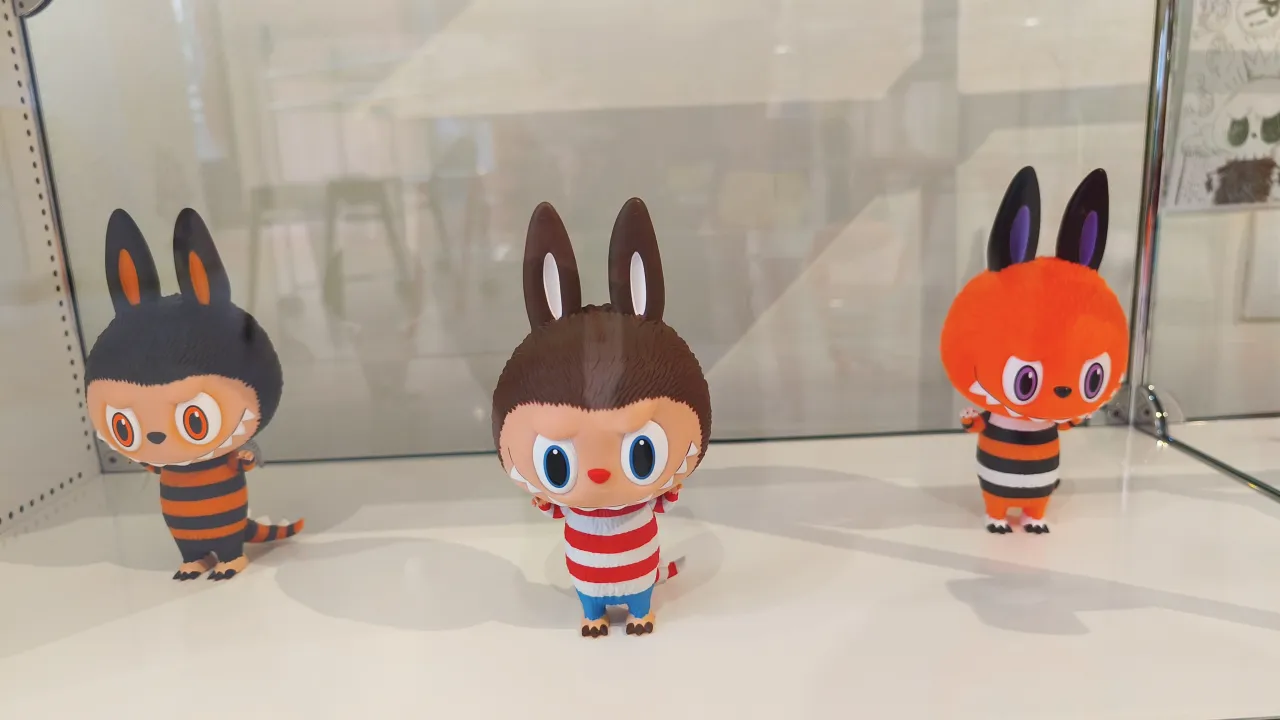
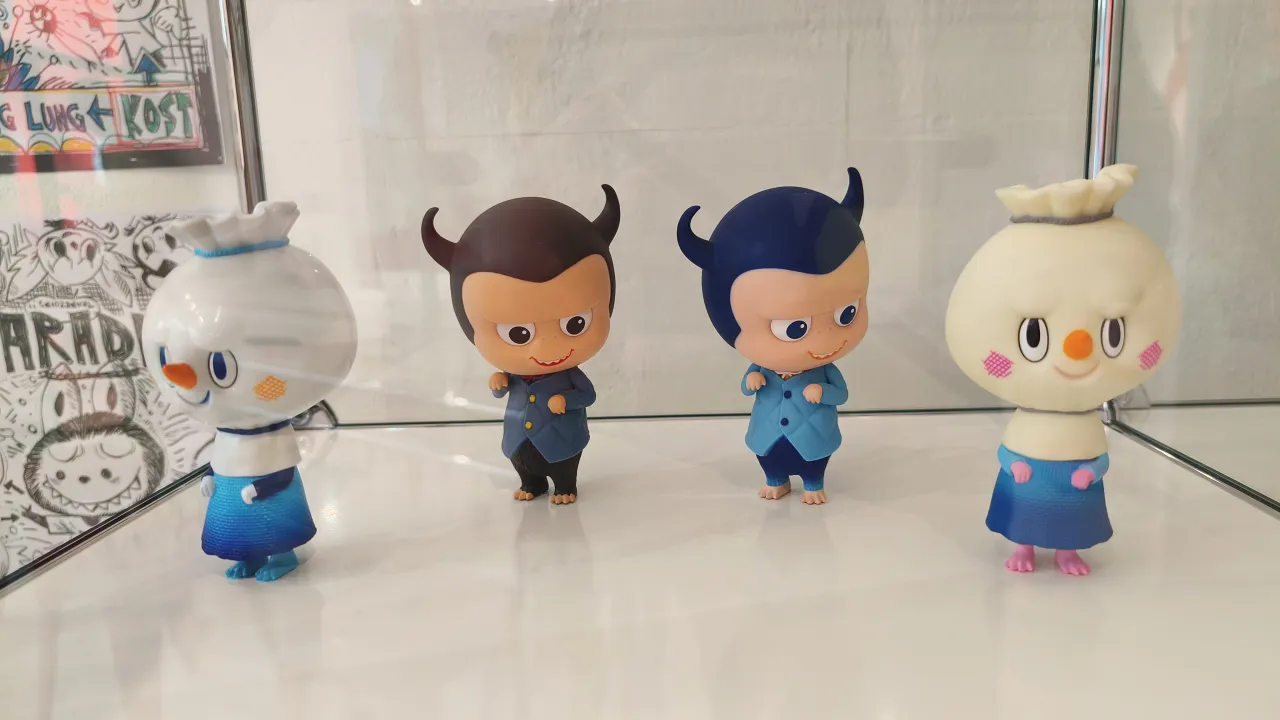
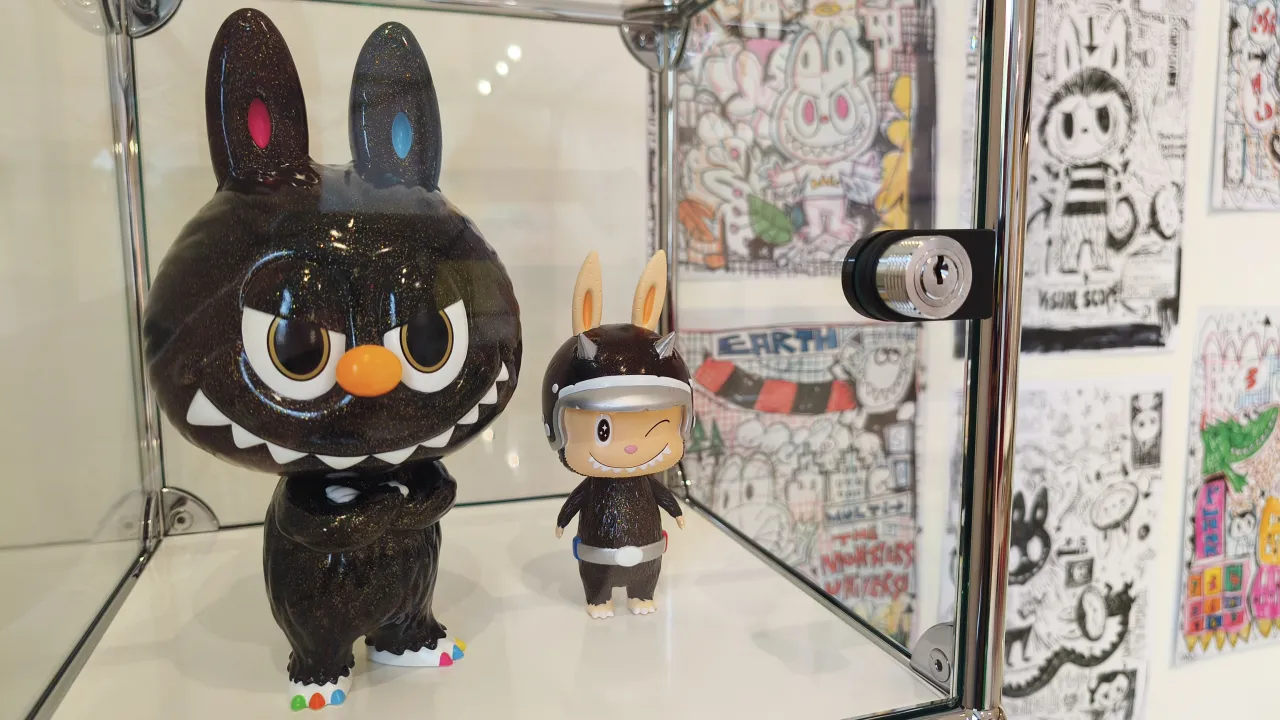
In the last couple of years, Labubu—the grinning, pointy-eared toy character created by Hong Kong-based artist Kasing Lung—has become one of the most coveted fashion accessories on the planet. Wonderland of the Monsters paired its playful universe, rooted in Nordic folklore, with Swiss modular furniture brand USM's Haller system. It sounds unlikely, but it worked rather well.
USM's clean, modular geometry served as a natural foil for Kasing's dense illustration work. His creatures and his characteristic mischief sat inside the polished chrome and coloured panels like exhibits in a very stylish cabinet of curiosities.
The centrepiece was the limited-edition Beautiful Thing! collectable: a glass display cabinet adorned with Kasing's illustrations, housing an exclusive Labubu character called Bob alongside a miniature USM seat. Each piece came with a certificate signed by Kasing and an NFC-authenticated collector's code. Each made no pretence about being anything other than a desirable object, and there was something refreshing about that honesty.
Lexus explores the future of car design
Superstudio Più, Via Tortona 27
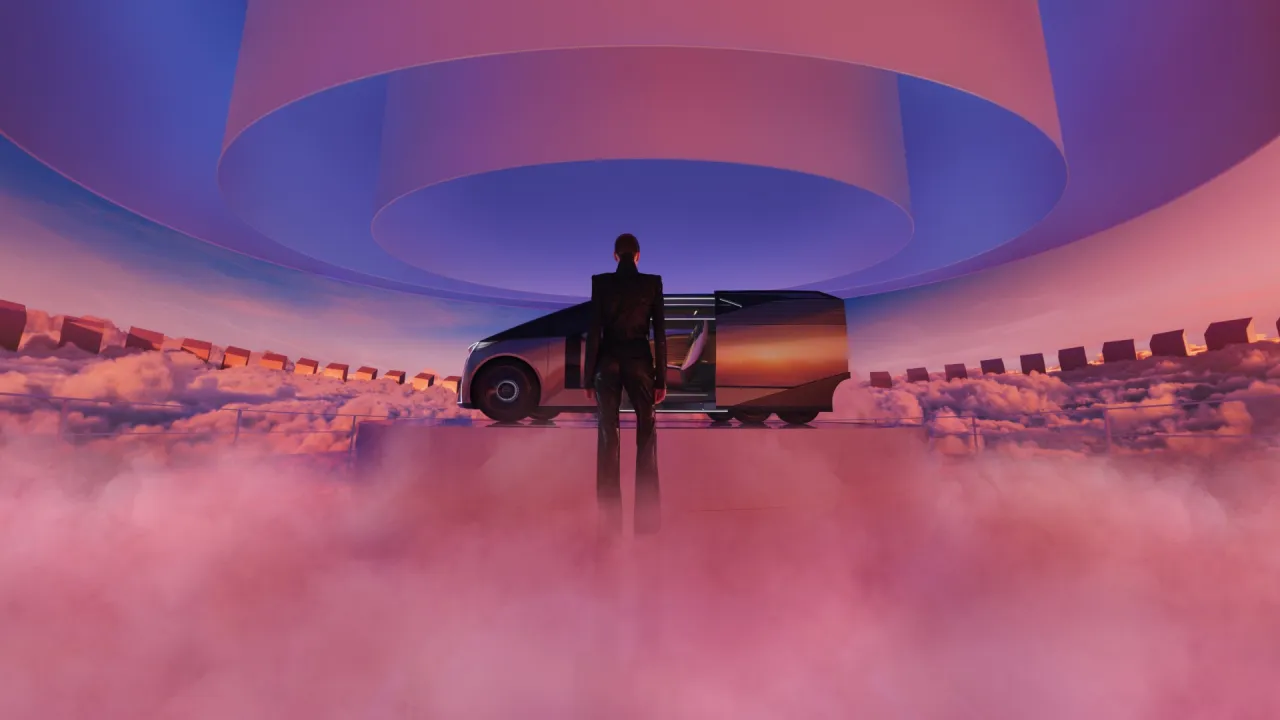
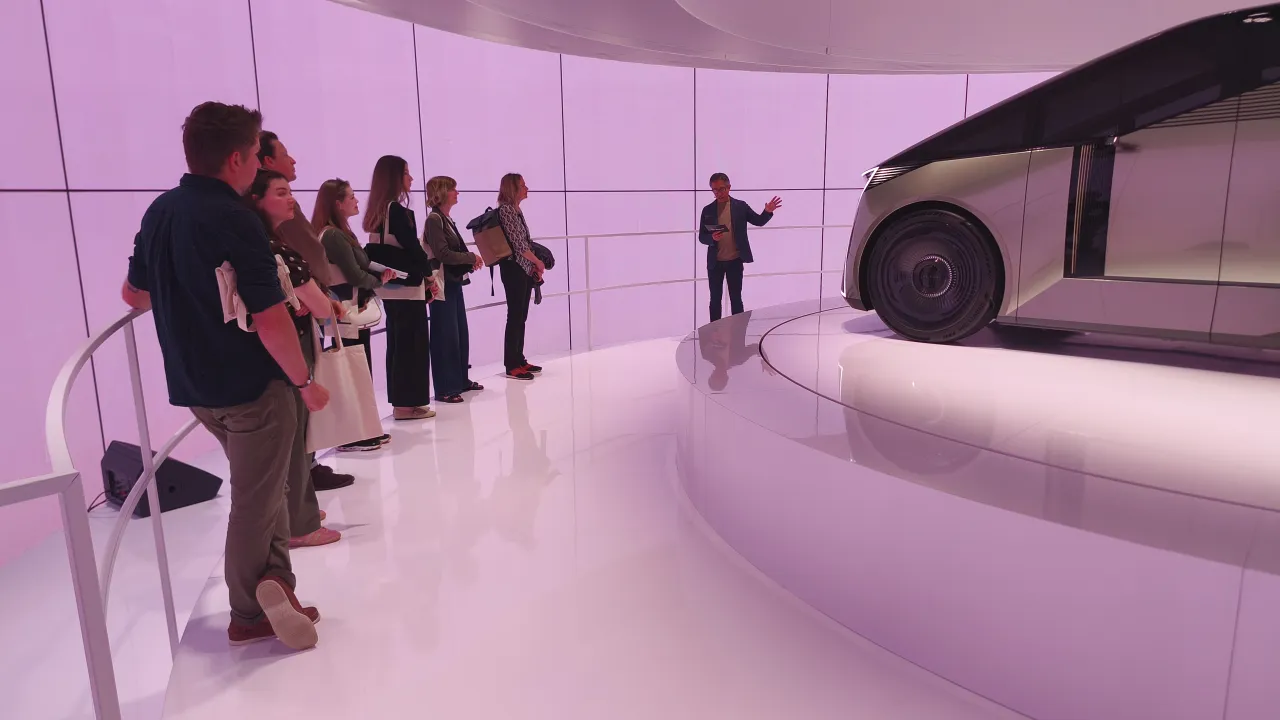
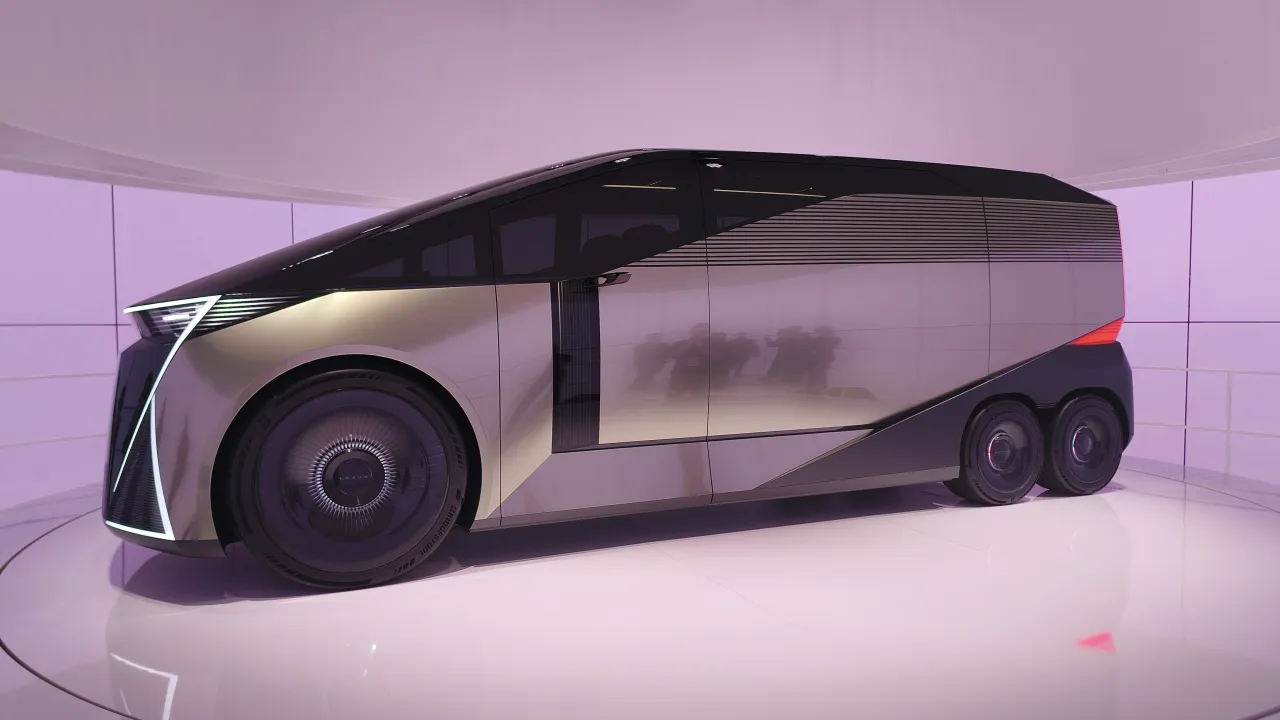
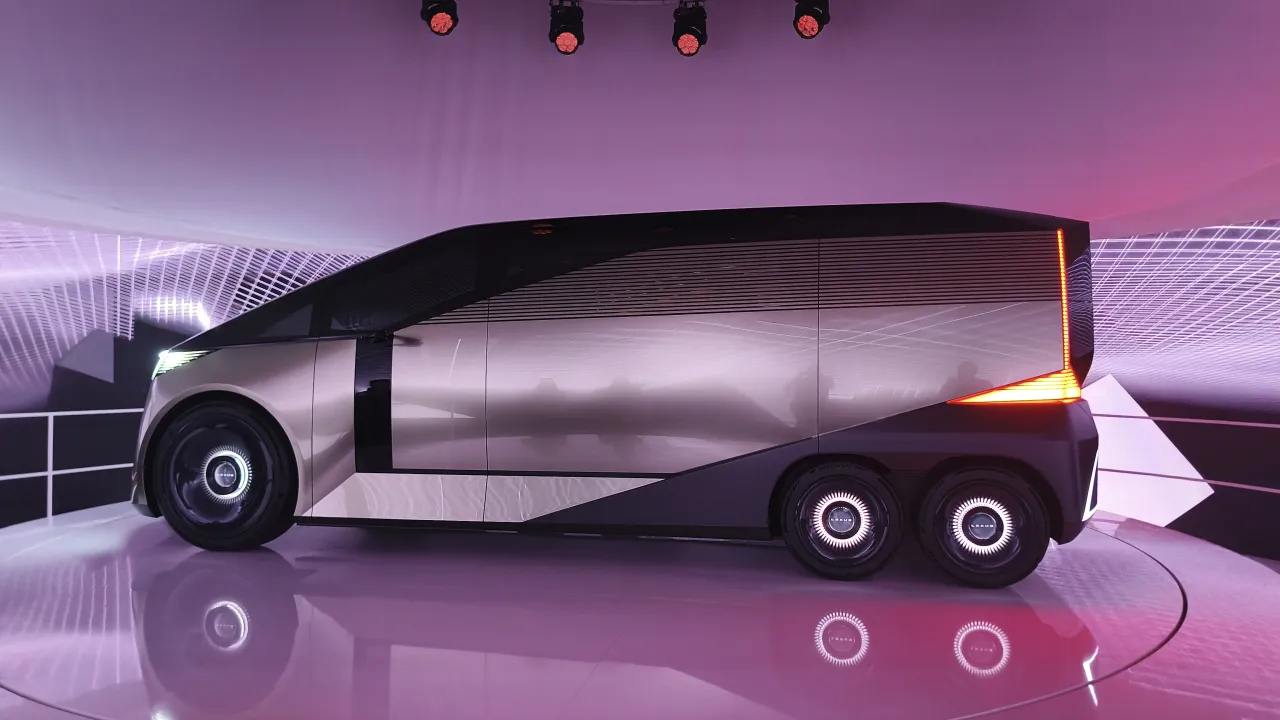
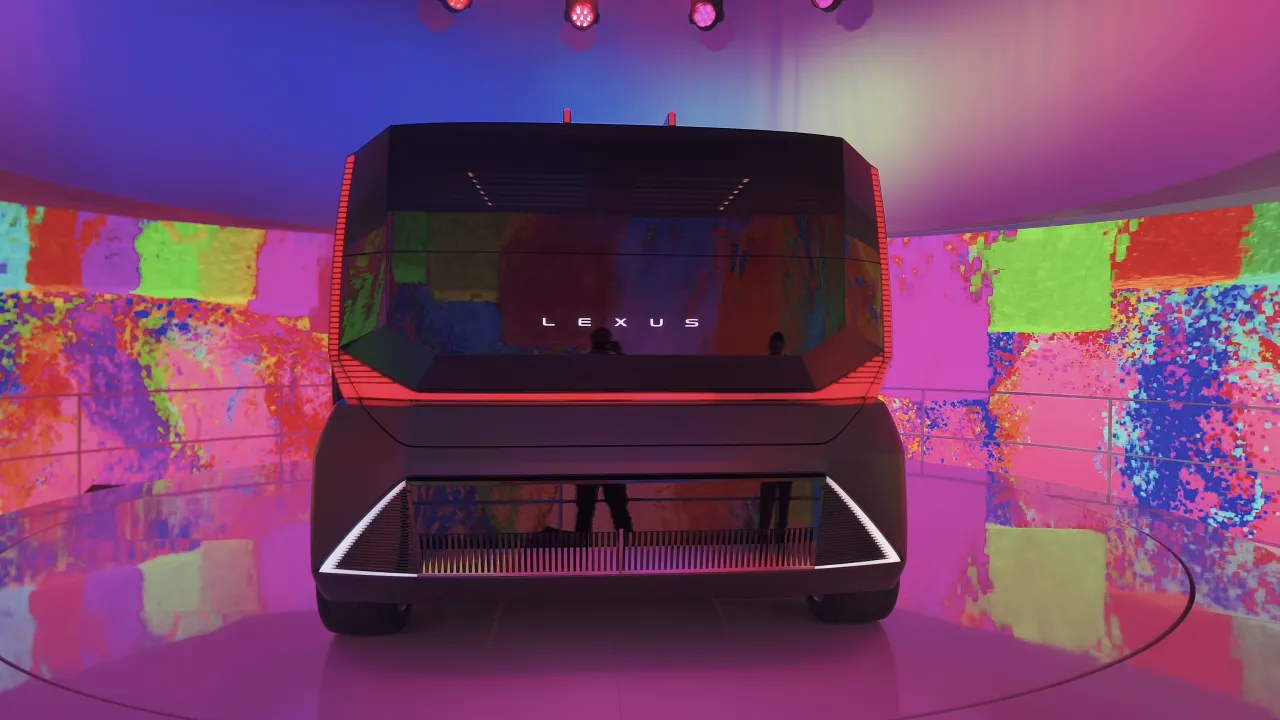
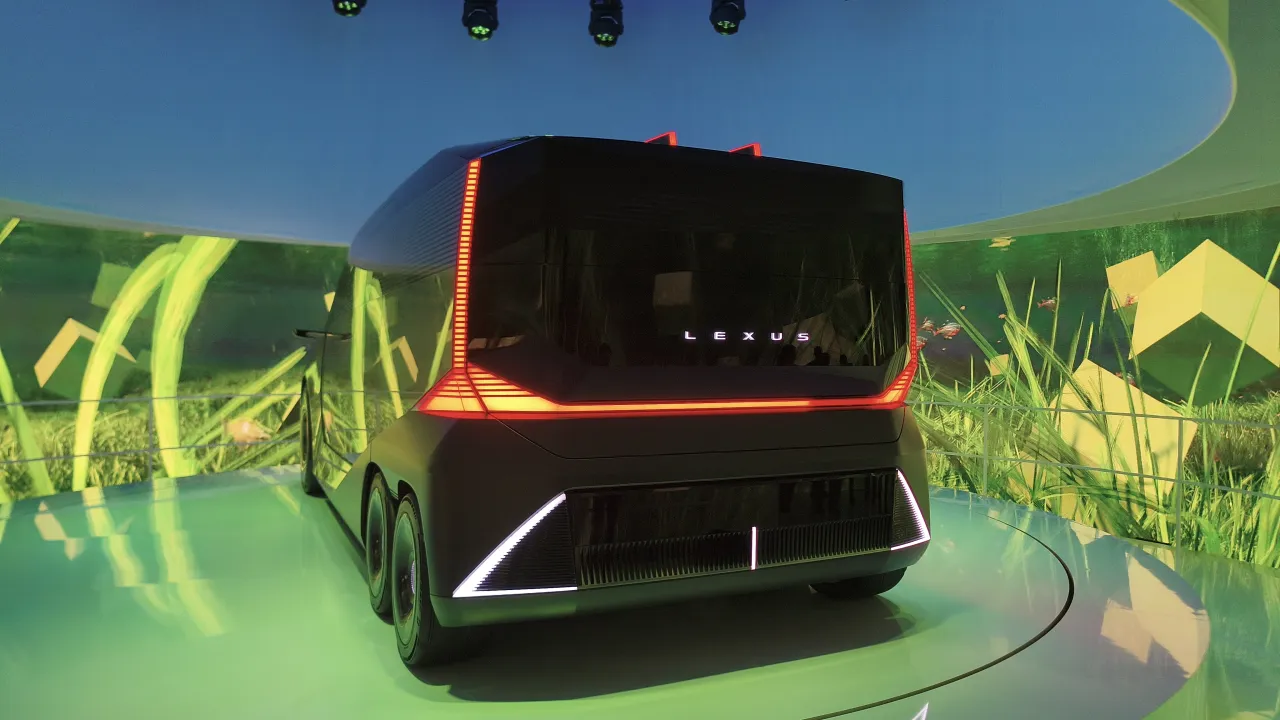
Lexus's Discover Together project at Superstudio Più centred on the new LS Concept, a six-wheeled chauffeur car, and takes this year's theme, Discover Your Space, as its brief. Four emerging creative studios were invited to interpret that theme independently, each producing a spatial installation responding to the concept car's rear cabin.
The most technically involved was by Random Studio, whose contribution used thermal imaging and a custom-trained AI model to read a visitor's breathing in real time. The other three commissions explored related ideas through Japanese tearoom architecture, responsive wearable materials and traditional craft techniques, including kumiko woodwork and stone carving. Read my full article here.
Zaha Hadid Architects make you stop a moment
Portrait Hotel Milano, Corso Venezia 11
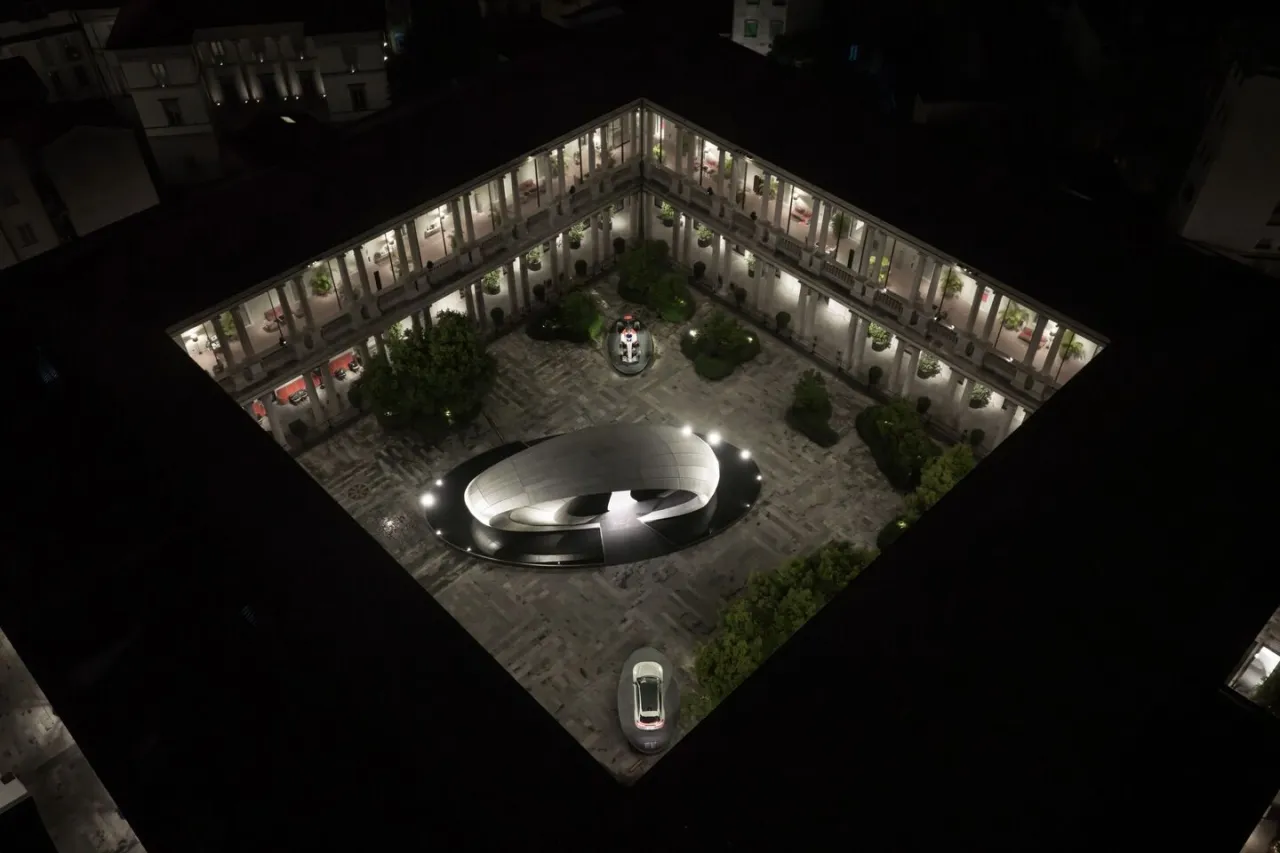
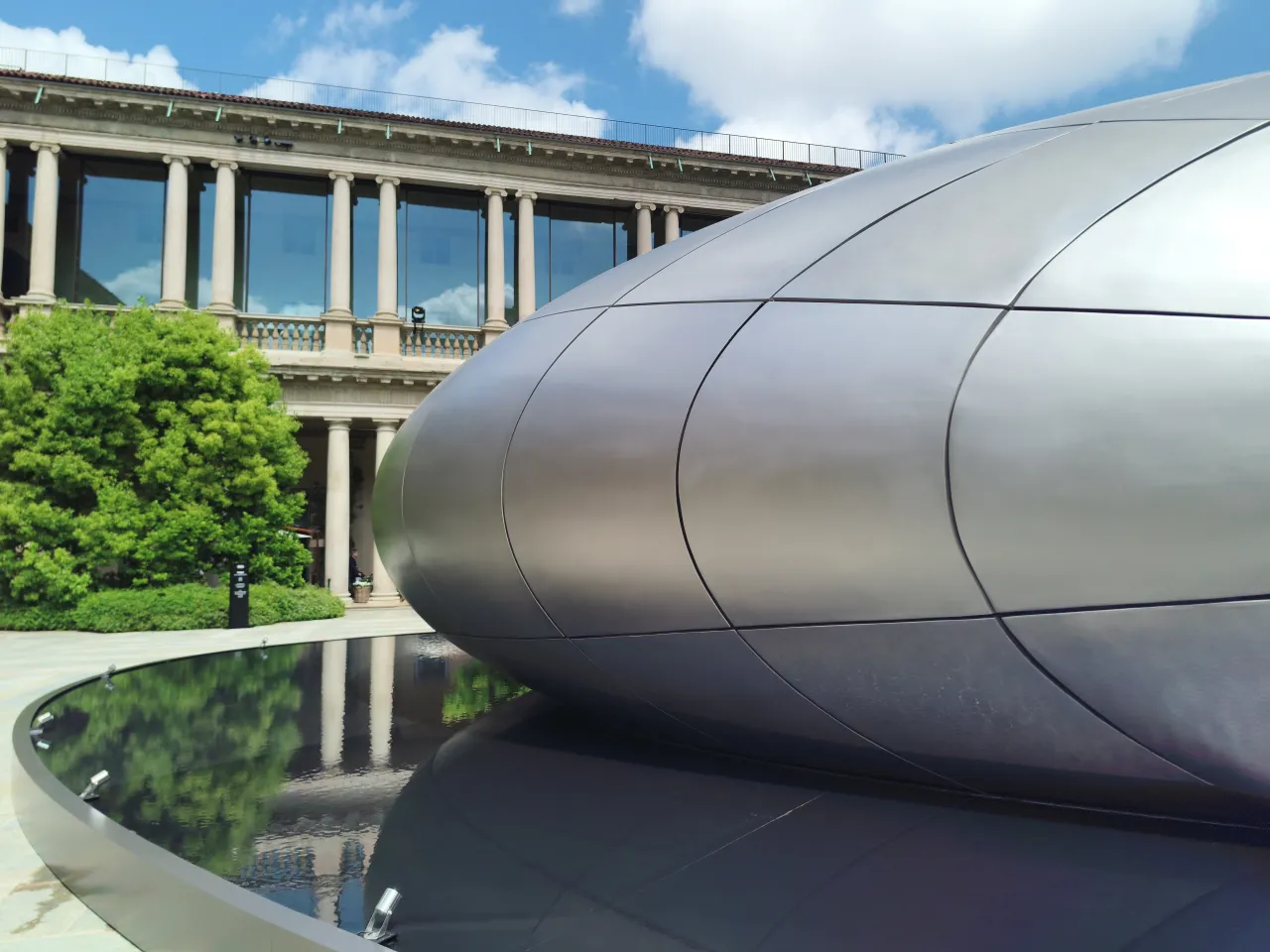
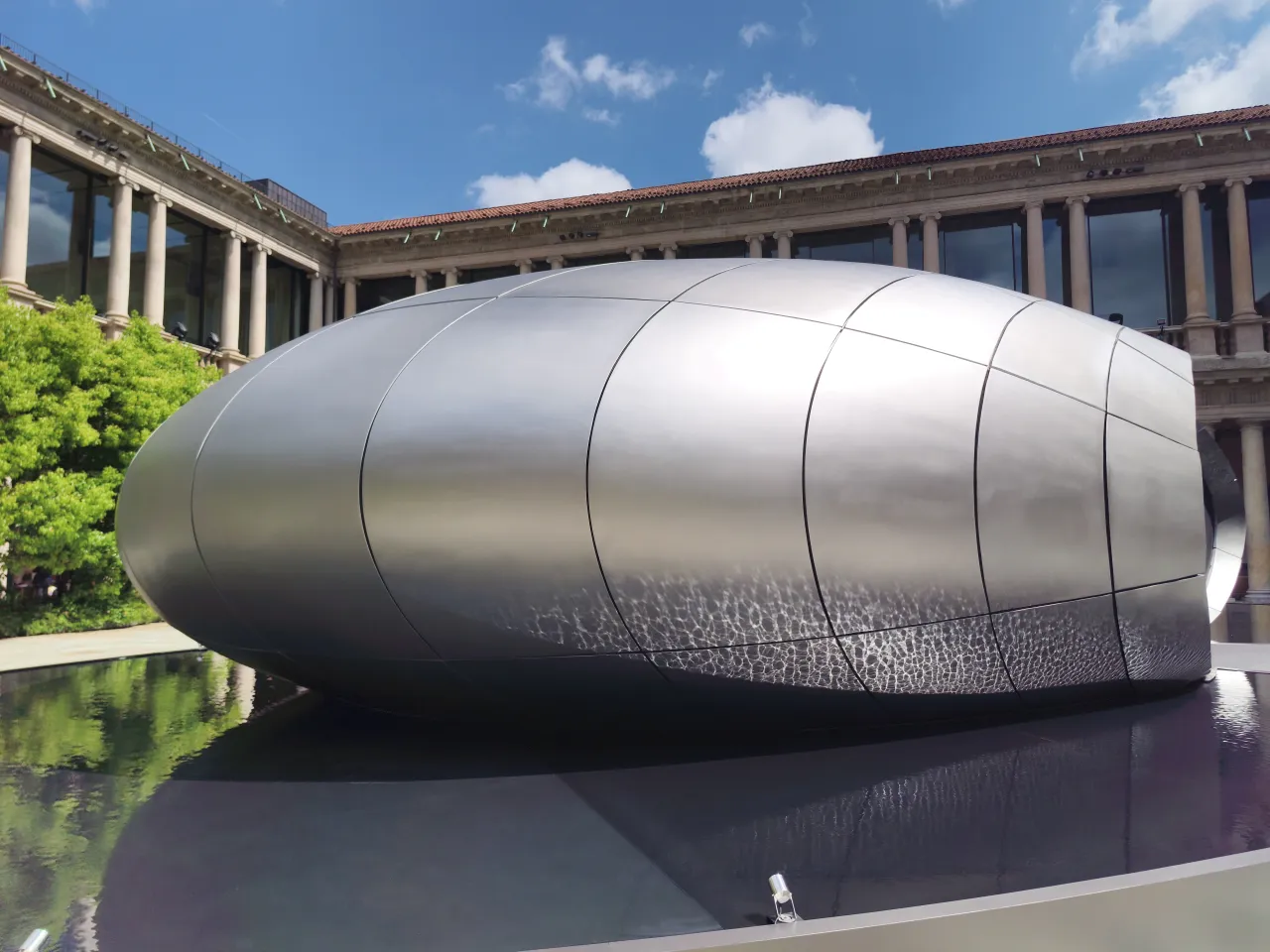
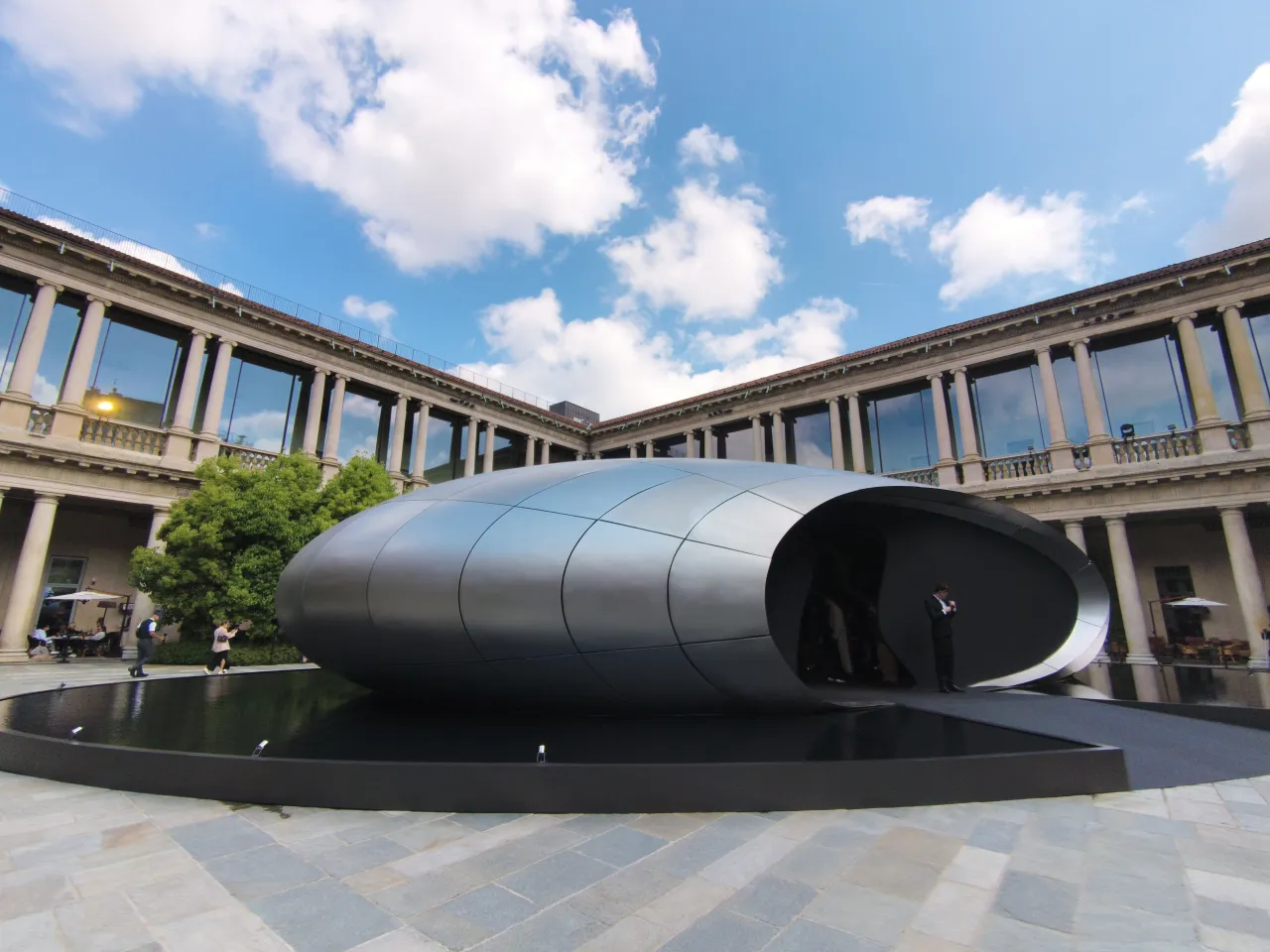
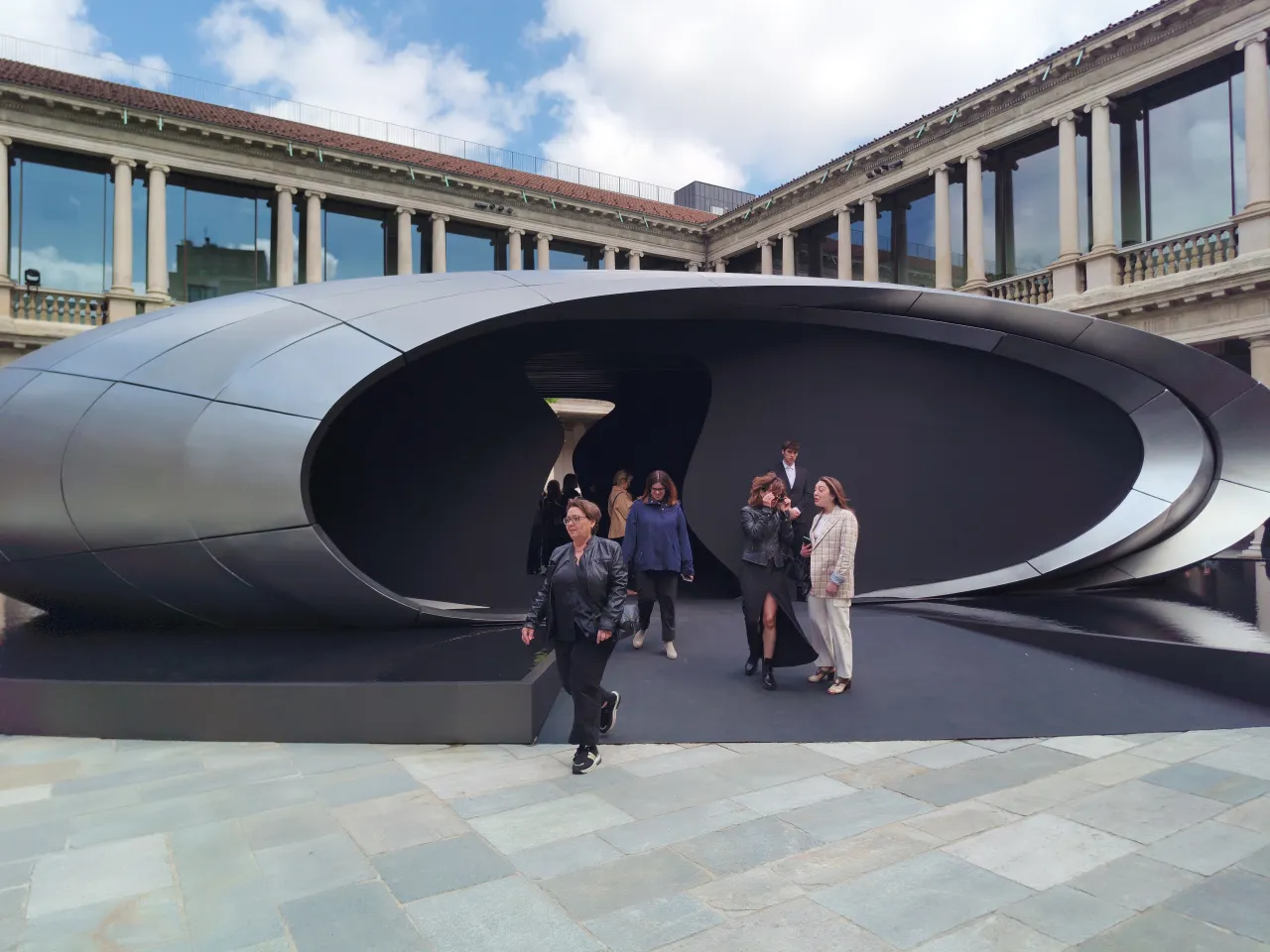
The final installation on my list was also the quietest. In the courtyard of the Portrait Hotel, Zaha Hadid Architects built The Origin for Audi: a titanium-coloured fibreglass portal set above a reflecting pool, its matte metallic surface absorbing and returning the chromatic tones of the surrounding stonework as light moved across it throughout the day. The shadows shifted. New details emerged as you move. Nothing about it was insistent.
The concept was the installation as antidote: in a week of sensory intensity and relentlessly stimulating content, here was an object designed to make you pause. As Audi's chief creative officer, Massimo Frascella put it: "In a world that is getting busier every day, design must help people filter the noise, find clarity, and reconnect with what truly matters."
You'll notice that's exactly the same idea Lexus was exploring a couple of kilometres away in the Tortona district. This either reflects a convergent cultural anxiety about attention and overstimulation, or suggests car brands are all reading the same strategy documents. Possibly both. Either way, after days of sprinting between venues, the invitation to simply stand still and look at something was very hard to refuse.