Clever World Cup campaign shows how objects can create meaning beyond traditional advertising
In a brilliant piece of self-promo for a creative agency, prayer beads prove the best campaigns don't sell products; they understand rituals fans already perform.
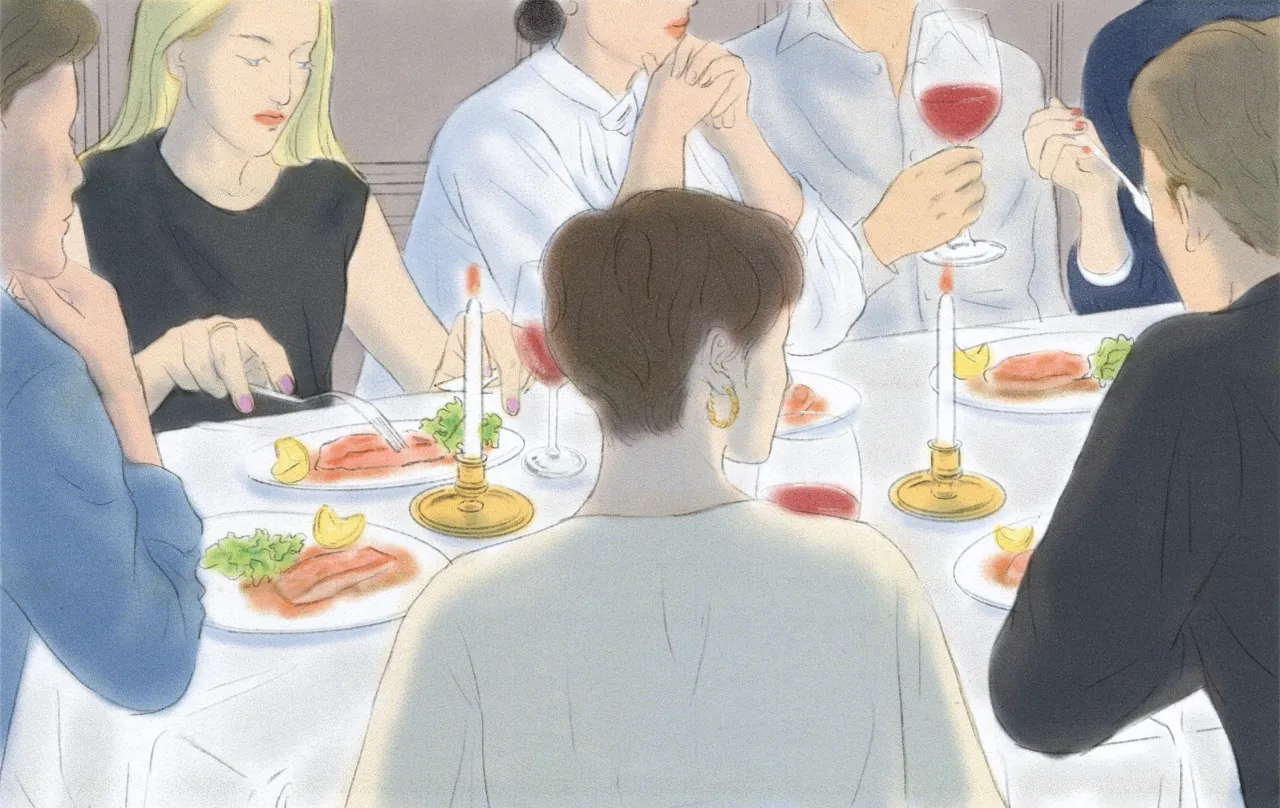
Every England fan has a tell. Some can't watch penalties. Some leave the room. Some grip a cushion so hard that it loses its shape by full time. And a huge number of us, whether we'd admit it in daylight or not, end up with our hands pressed together, eyes shut, silently bargaining with whoever might be listening.
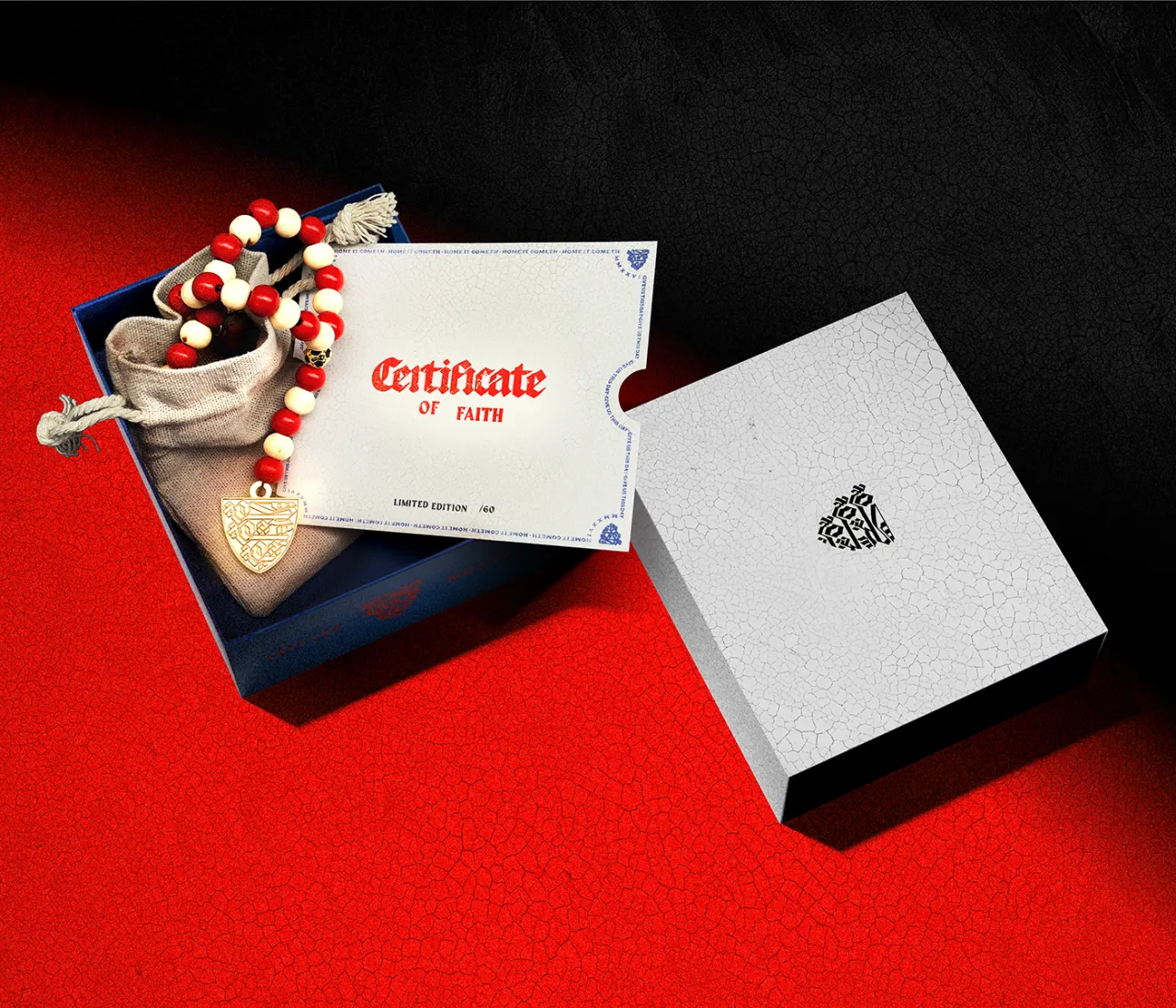
It's this unconscious gesture, repeated by millions, that London and South West studio Happy Ending has decided to design for. Their project, It Cometh Home, takes the prayer pose England fans pull during extra time and penalties and turns it into a physical object. The result is a limited run of 60 sets of England prayer beads, built like multi-faith devotional tools but dressed in Three Lions iconography.
It's a clever piece of work, and one that makes a case that's bigger than football: that a well-designed object can create more meaning and more loyalty than any ad ever could.
Faith as design brief
"It's coming home" has been a joke, a chant and a curse for three decades. Rather than adding another slogan to the pile, Happy Ending has gone looking for the physical ritual hiding underneath the cliché and built something you can actually hold.
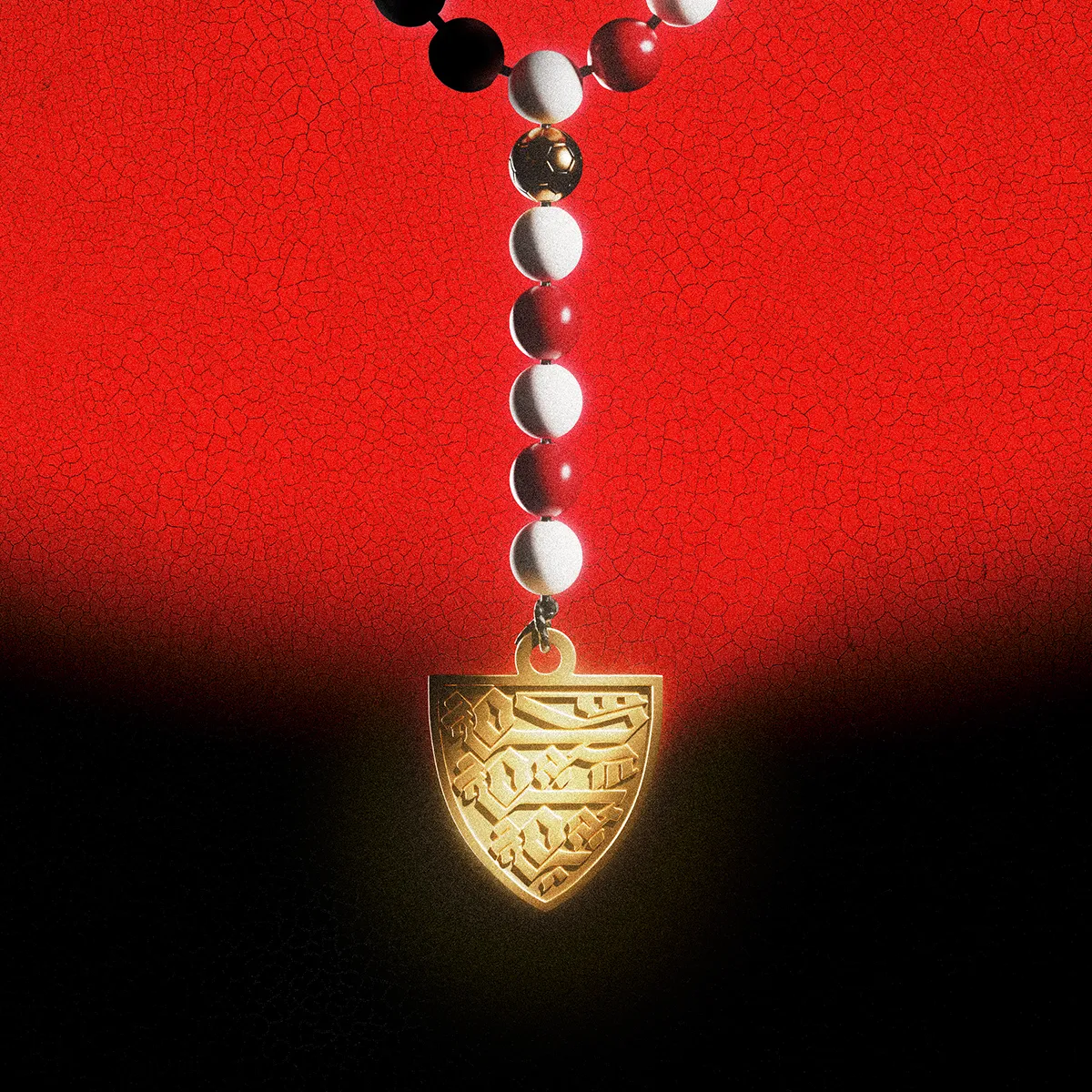
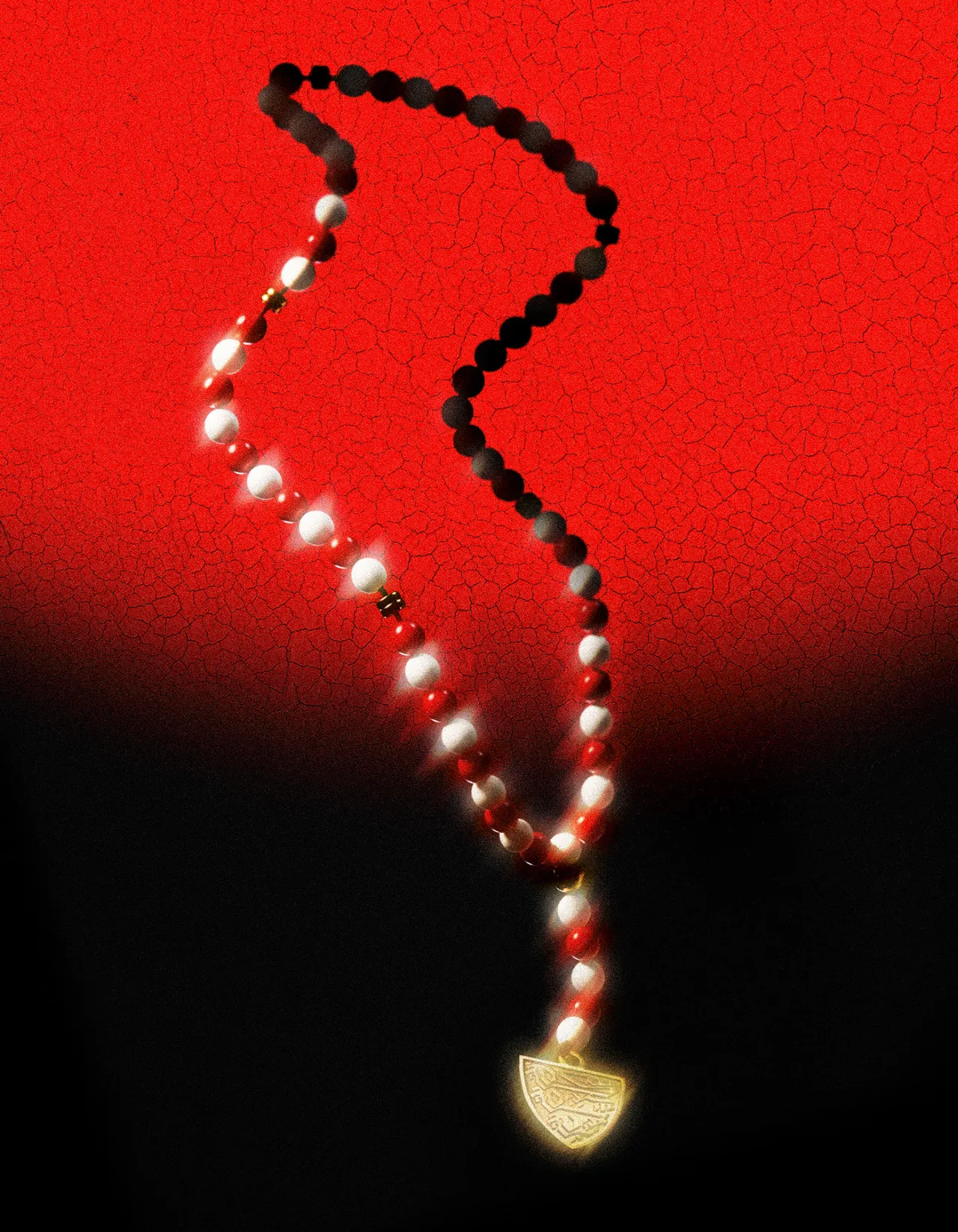
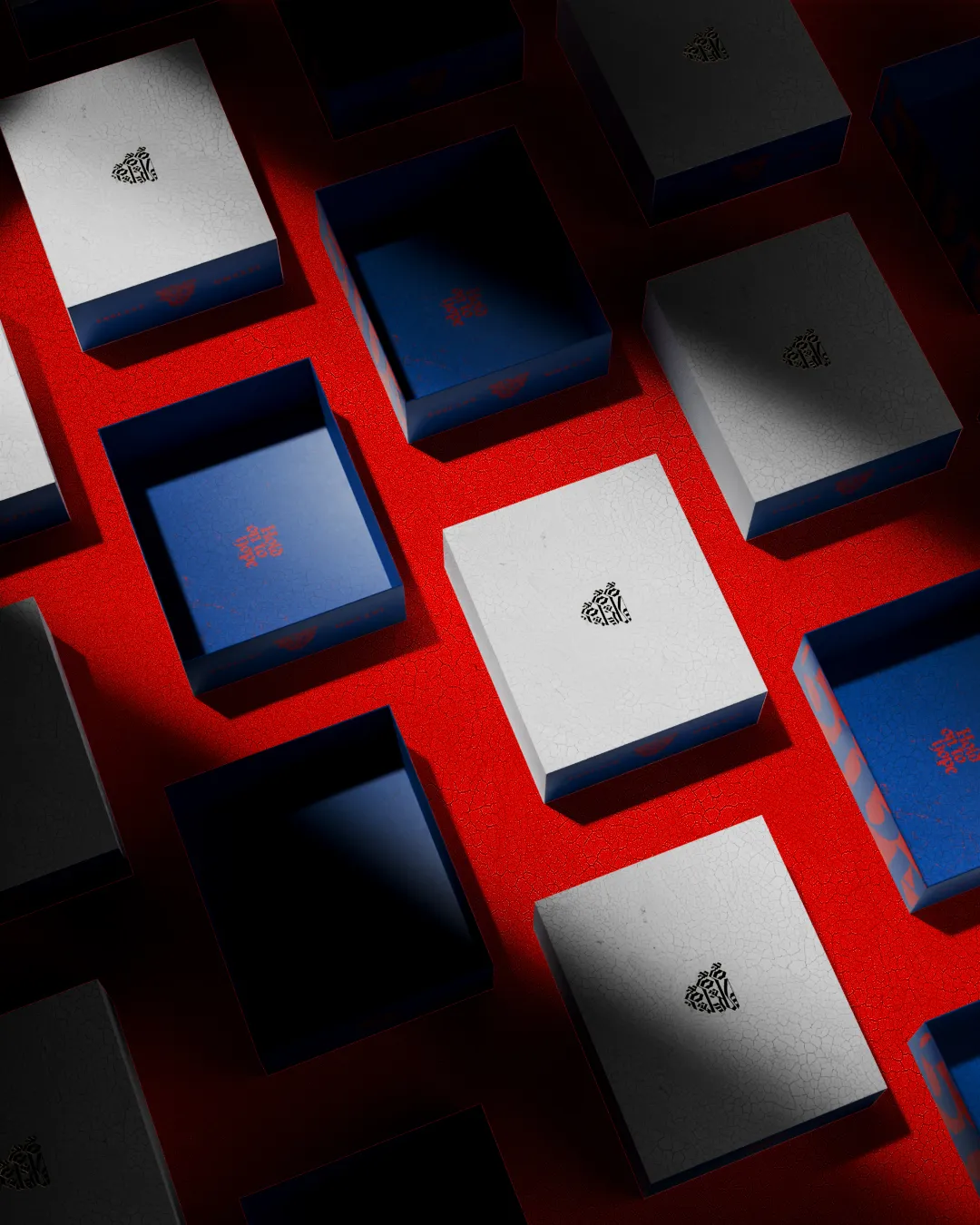
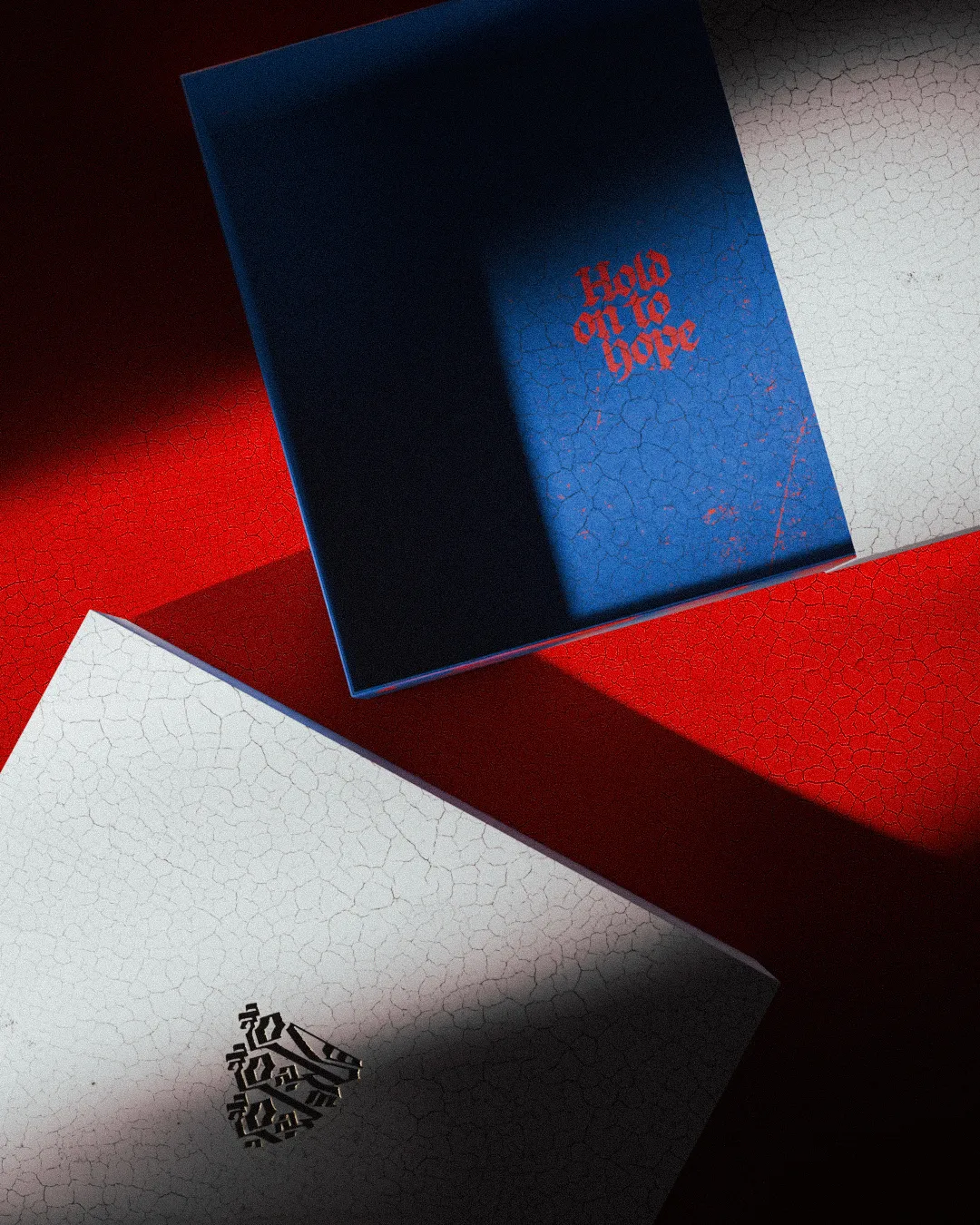
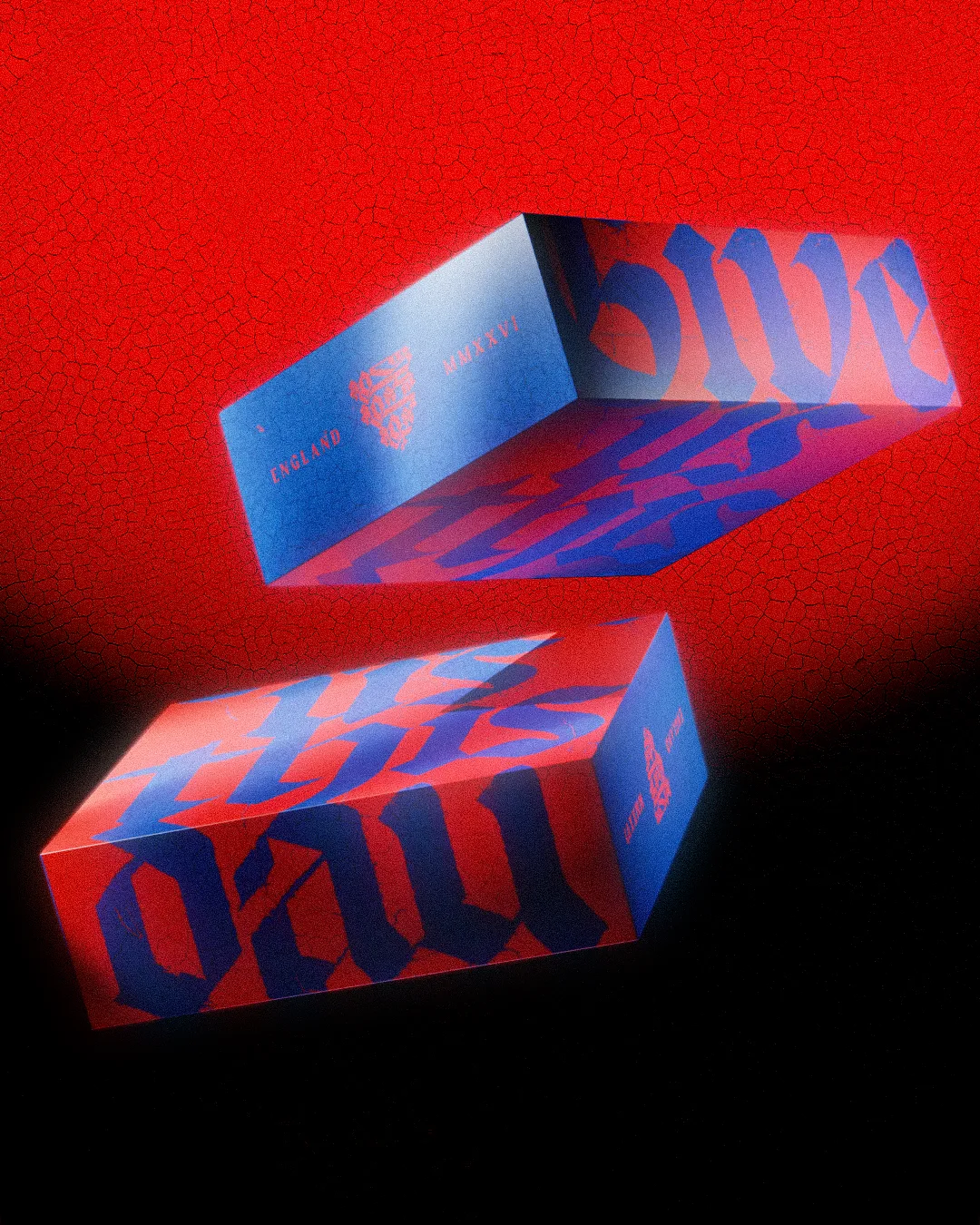
The main loop runs to 60 alternating red and pale wood beads, one for every year since 1966, while a golden football marks the point where six "decade" beads drop from the loop, a small, satisfying way of making time itself part of the object. The pendant at the end is die-struck with a bespoke calligraphic take on the Three Lions.
With this level of forethought and detail, none of it feels decorative for decoration's sake. Instead, it's a subtle, slightly painful joke about how long this wait has gone on, rendered in gold and wood.
Belief isn't something you buy
Importantly, the beads aren't actually for sale. Instead, clues drop on Instagram and TikTok throughout the tournament, sending fans hunting for hidden locations in what the studio is calling a modern-day football pilgrimage.
"Belief isn't something you purchase," explains Ross Popejoy of Happy Ending. "So the idea only worked if the beads couldn't be bought. We wanted to get hold of a set to feel like its own ritual. Part treasure hunt, part pilgrimage."
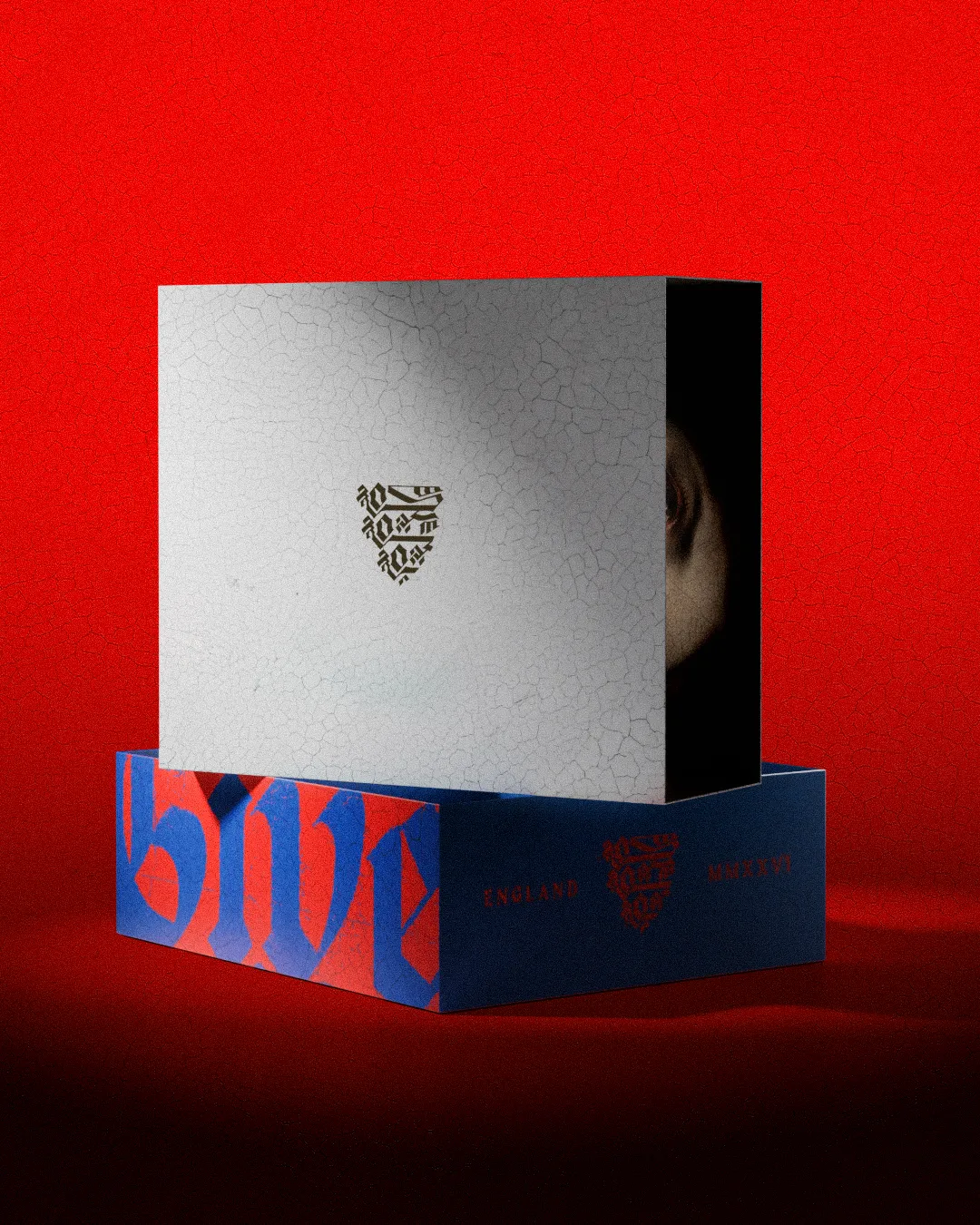
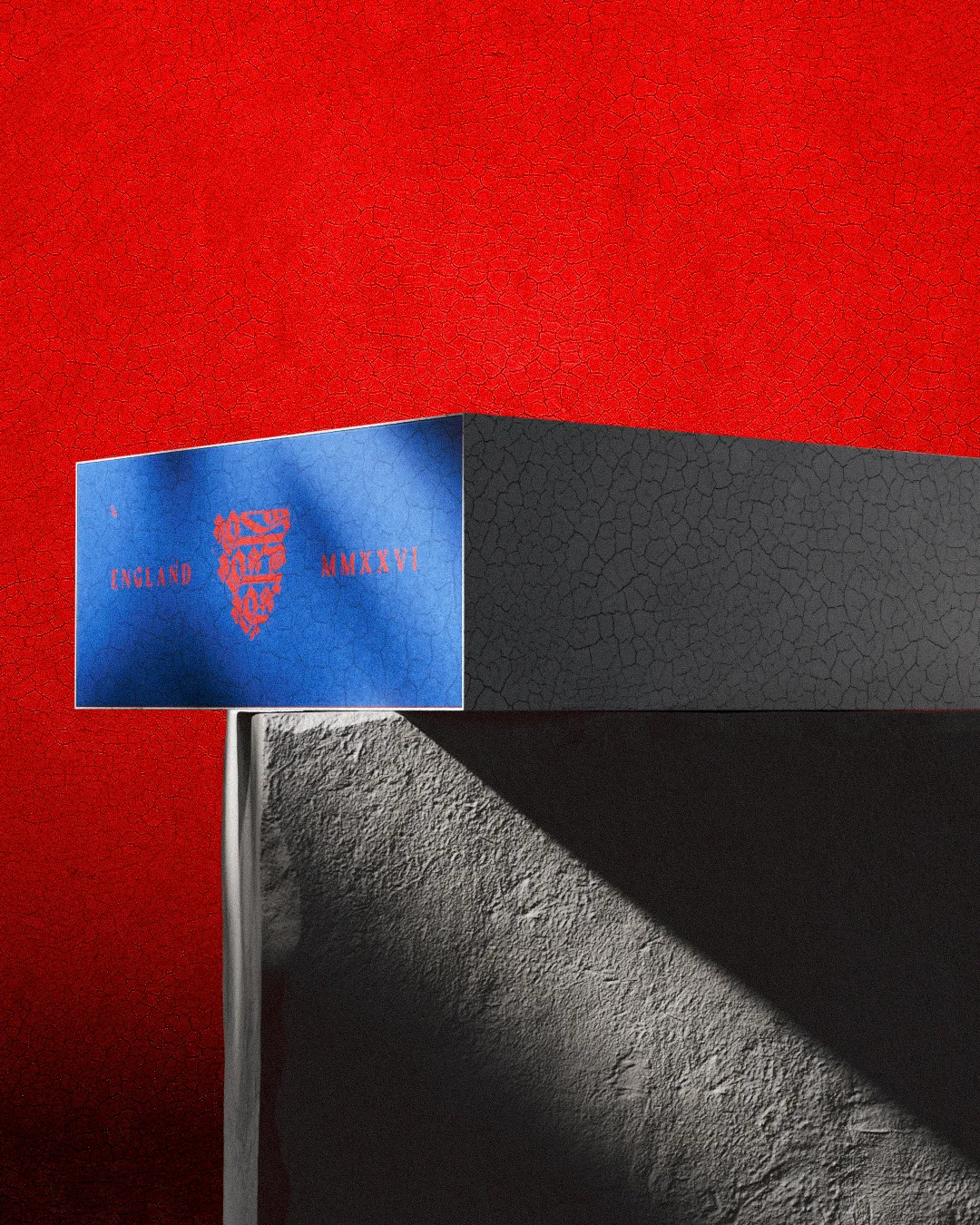



For creatives used to scarcity drops as a hype tactic, it's worth noting how well the mechanic fits the concept here. Pilgrimage—whether traditional or football-related—has always involved travel, patience and a bit of suffering before the reward.
Asking fans to chase clues and turn up in person isn't just about generating social content, though it'll certainly do that too; it's about making the audience show the same dedication the object represents. Each hand-numbered set even arrives with its own embossed Certificate of Faith, the sort of touch that turns a prize into a relic.
The value of restraint
There's a lesson here for anyone working on culturally-rooted briefs: resist the urge to over-explain. Happy Ending hasn't built an elaborate backstory or piled on irony. The work assumes that fans already understand prayer beads, the gesture, and the joke about 1966. They just need to connect the dots.
That restraint extends to the supporting brand world. The typography and imagery—gothic lettering and Old Master-style portraits of anguished faces—borrow directly from religious iconography rather than from football branding. It places the work closer to devotional art than to a kit launch. And this reinforces the studio's own philosophy, shared in its release, that brands build stronger connections through objects, experiences and participation than through advertising alone.


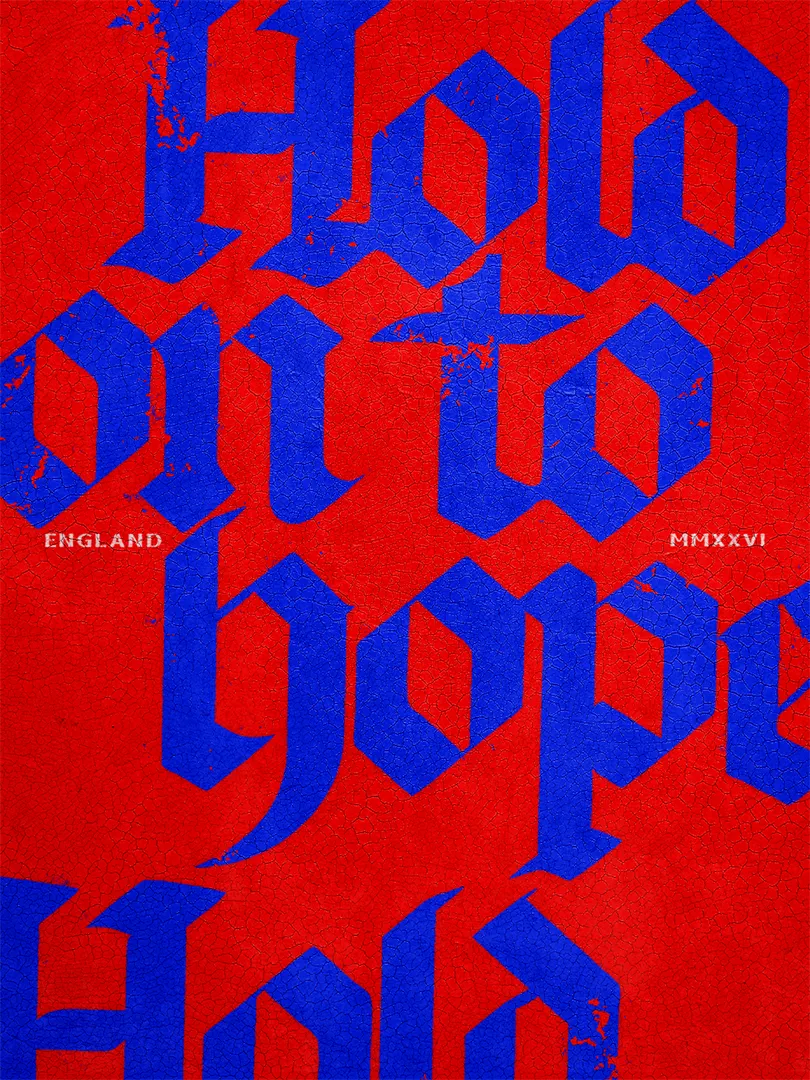
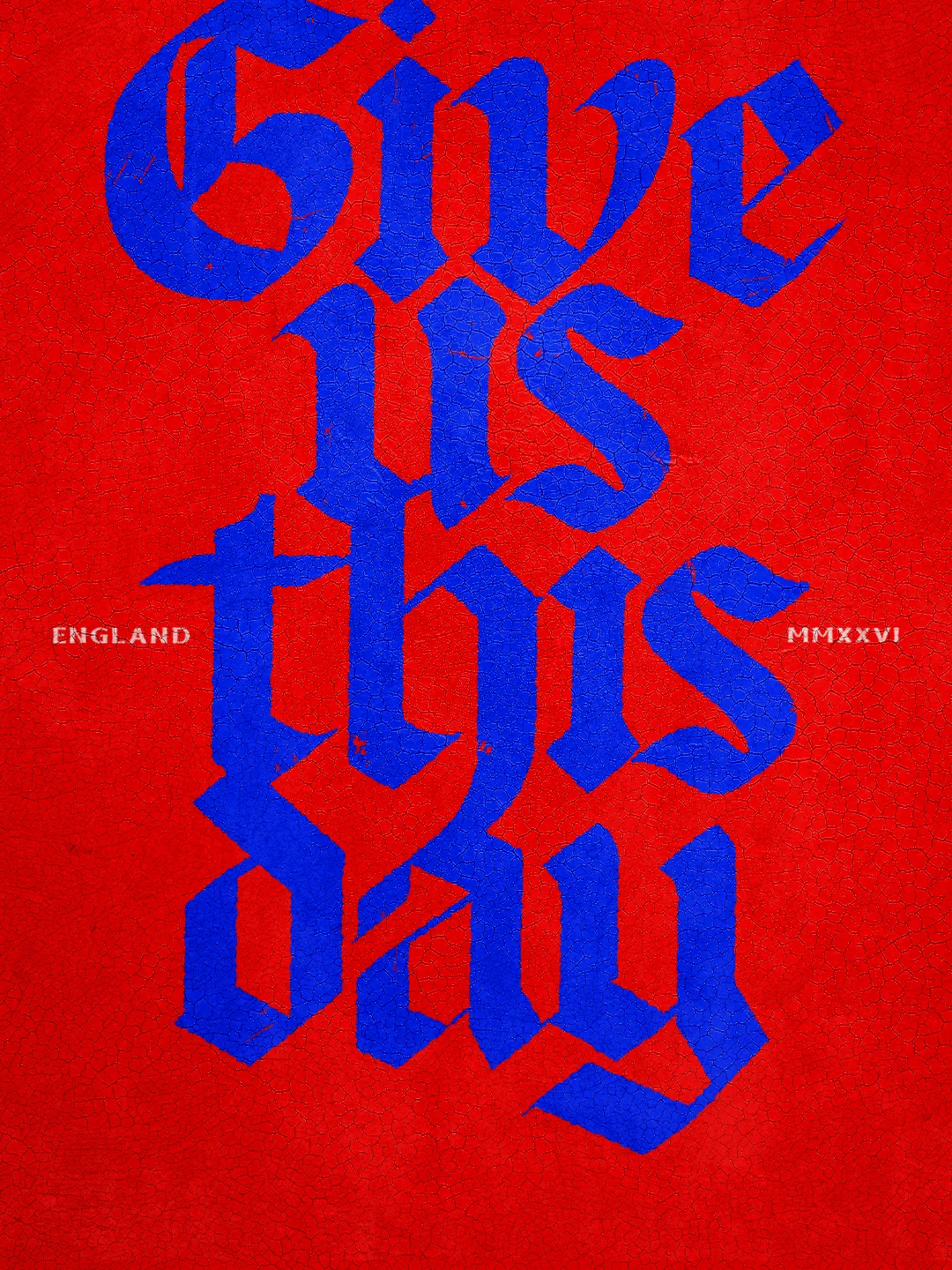
For an industry that often reaches for spectacle first and meaning second, It Cometh Home is a useful reminder that the most resonant ideas tend to come from noticing something everyone already does, then asking what it would look like as a designed object.
Happy Ending didn't invent the England fan's prayer pose. They just had the good sense to take it seriously enough to make something out of it. Whether any of the 60 sets bring it home is, mercifully, not the studio's problem to solve.